SeeSii 40V Cordless Leaf Blower Review: 2 Years Later, I Prefer It Over Makita
Disclosure: We may earn a commission when you purchase through links on our site. This does not influence our reviews or recommendations.
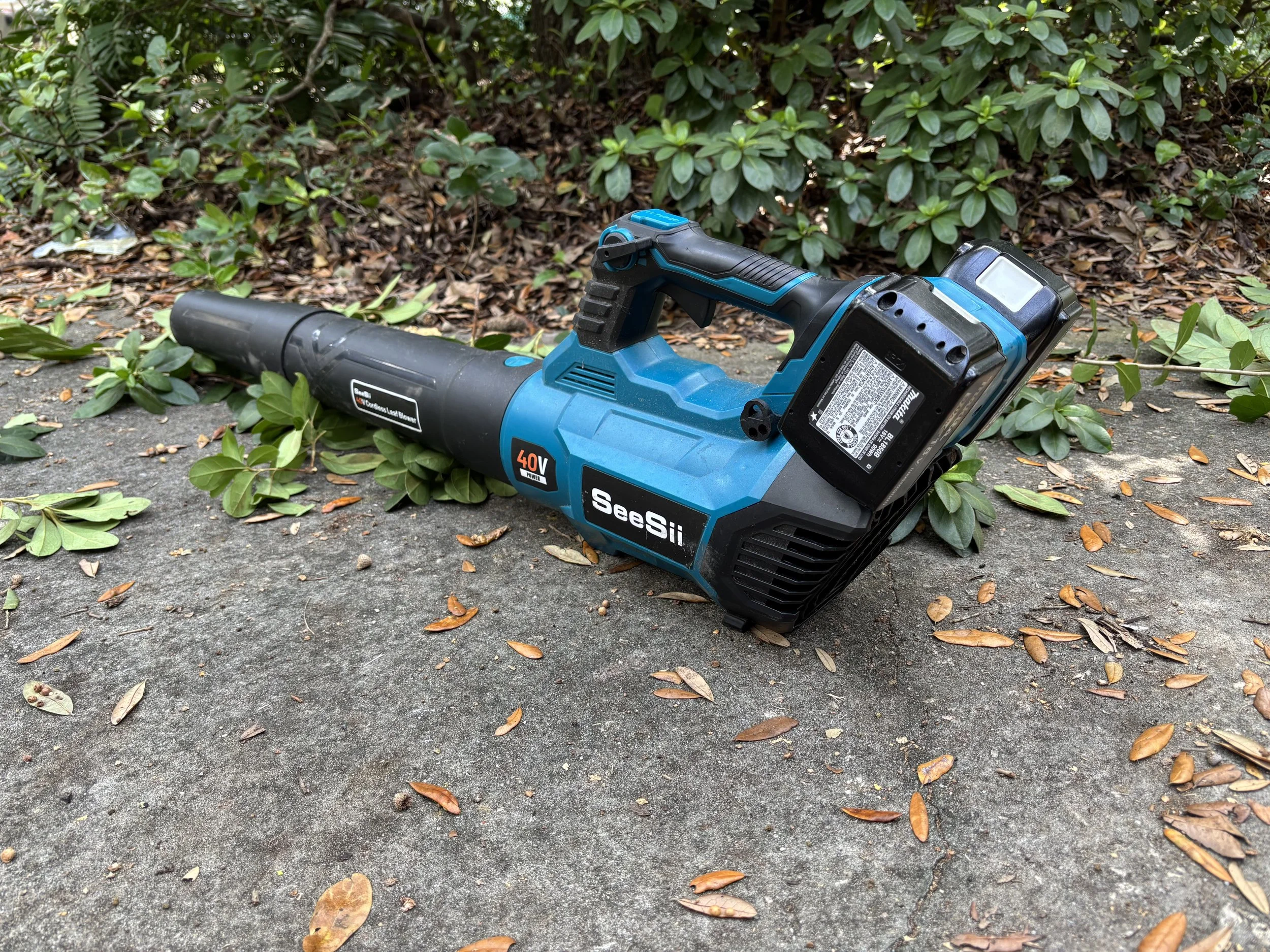
Cheap cordless tools that use another company's batteries are always a bit of a gamble. Sometimes you find something surprisingly useful. Other times you find out exactly why it was so cheap. I've been using the SeeSii 40V Cordless Leaf Blower for nearly two years now, and this one surprised me. Not only has it held up extremely well, but there are several things I actually prefer about it compared with the much more expensive Makita dual-battery blower I've used.
That's not because the SeeSii simply copied Makita's tool, either. It doesn't really look or feel like a knockoff Makita blower. It just happens to accept the Makita 18V batteries I already own. At around $120, it's dramatically cheaper than going with Makita, and after nearly two years, I don't feel like I bought the compromised budget version. In several ways, I think I bought the better blower. There is one major downside, though: this thing is ridiculously loud.
First, About That "40V" Rating
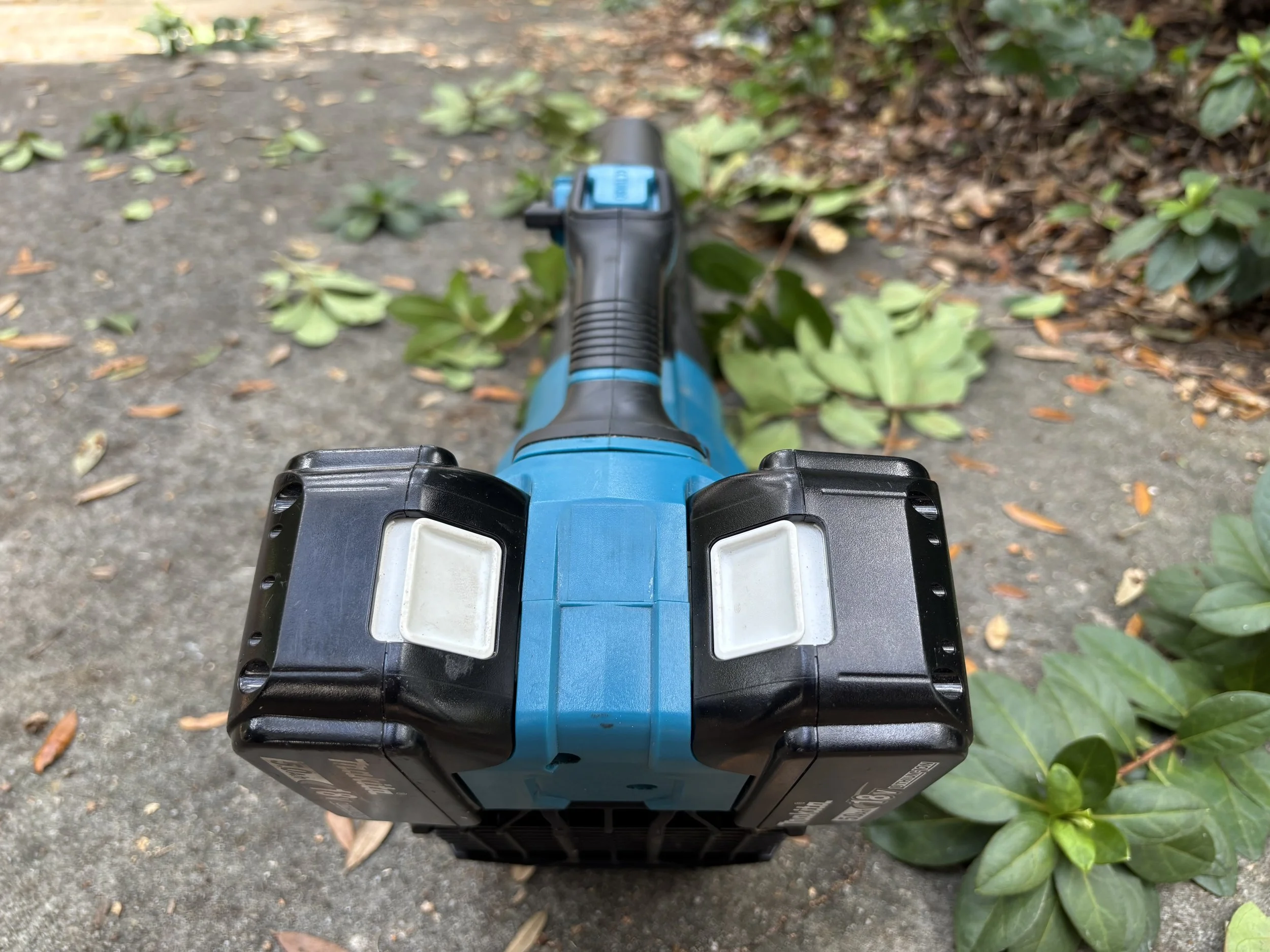
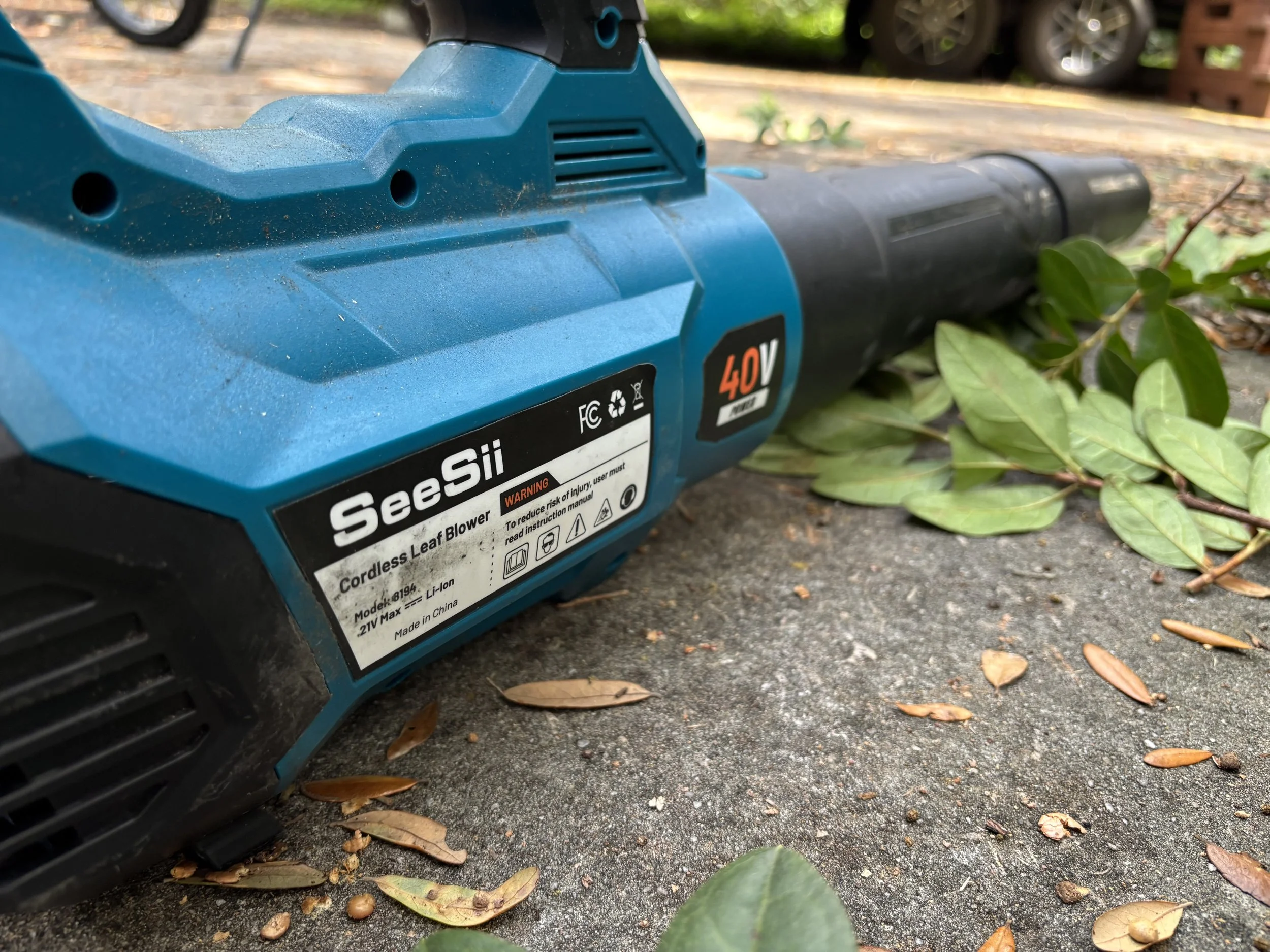
Before getting into how it performs, there's something worth explaining about the 40V branding. Cordless-tool voltage ratings can get confusing because manufacturers sometimes advertise nominal voltage and sometimes advertise maximum voltage. With this SeeSii, you're using two Makita-style 18V batteries, but based on what I've observed during use, I don't think the blower is simply operating like a conventional dual-battery 36V tool.
I've repeatedly noticed one battery becoming depleted first while the second battery still has charge remaining and continues dropping afterward. Whatever is happening internally, the important thing from an ownership standpoint is that the two batteries don't appear to discharge evenly in my testing. That doesn't bother me much in actual use because the resulting runtime is one of my favorite things about this blower.
The SeeSii Isn't Quite as Powerful as the Makita
Let's get the obvious comparison out of the way. The Makita blower I've used is slightly more powerful. If maximum blowing force were the only thing I cared about, I'd give Makita the advantage. But after actually living with both tools, I've found that outright power isn't necessarily what makes a blower better to use.
The SeeSii has enough power for what I need while giving me substantially better runtime with two Makita batteries. That's a tradeoff I'll happily make. I don't need my blower to win a five-second drag race. I need enough power to move what I'm trying to move without burning through batteries unnecessarily. For the way I actually use a cordless blower, the SeeSii hits that balance extremely well.
The Controls Are Surprisingly Good
This is one of those things that doesn't look particularly impressive on a product listing but becomes important once you've actually used the tool. I really like the controls on the SeeSii. The trigger response is excellent, and I particularly like having the turbo function available when I need an extra burst of power.
I don't have to run the blower flat-out constantly just because I occasionally need maximum output. There's good control at the trigger, plenty of usable power for normal work, and then turbo when I actually want it. After two years, that's become more valuable to me than simply having the strongest blower.
I Actually Prefer the Balance Over Makita
The physical balance is another area where the cheaper blower wins for me. Two batteries add a decent amount of weight to any handheld blower, and where those batteries sit matters. On the Makita, I notice that battery weight hanging farther toward the rear of the tool. That changes the leverage in your hand and makes the blower want to pull upward more.
The SeeSii feels better balanced to me. It's relatively light, comfortable to hold and doesn't feel like I'm constantly fighting the weight hanging off the back. That's especially noticeable when you're using a blower for more than a couple of minutes. A spec sheet can tell you how much a blower weighs, but it can't really tell you whether that weight is in the right place. After using both, I prefer how the SeeSii sits in my hand.
Runtime Is One of Its Biggest Advantages
This might actually be the biggest reason I continue reaching for the SeeSii. With two Makita batteries installed, runtime is excellent. Yes, the Makita has somewhat more outright power, but I'm getting substantially longer usable runtime from the SeeSii. For normal cleanup around the property, I'd rather have that extra operating time.
This also highlights why I don't think judging cordless blowers entirely by maximum output makes much sense. Power is only one part of the equation. Runtime, balance, trigger control, weight and battery compatibility all affect what it's actually like to use the tool. When I consider all of those things together, I prefer using the SeeSii.
The Big Problem: It's LOUD
Here's the part I don't like. The SeeSii is incredibly loud. And it's not just the amount of noise. There's a sharpness to the sound that I find almost ear-piercing. It's easily the most annoying characteristic of the blower and something I notice basically every time I use it.
I normally use it while wearing noise-canceling headphones, although proper hearing protection is the safer choice for loud power equipment. If you're especially sensitive to high-pitched tool noise, this could legitimately be the characteristic that makes you choose something else. It's unfortunate because nearly everything else about the blower has impressed me.
Two Years Later, Mine Is Still Going Strong
The other big question with inexpensive cordless tools is durability. A roughly $120 blower can be fantastic when it's new, but that's not particularly useful if it's dead a year later. Mine isn't.
After nearly two years of use, the SeeSii has held up extremely well. I haven't had some catastrophic failure that suddenly made the initial savings irrelevant. It has simply continued doing its job. That's also why I'm much more comfortable recommending it now than I would have been after using it for a few weeks. A long-term review tells you something a normal product review can't: I know what this blower is like after the new-tool smell is long gone.
A Rare Makita-Battery Tool I'd Buy Over Makita
There are tons of inexpensive tools online designed to accept batteries from major cordless-tool brands. I'm usually careful about treating those products as replacements for the real thing. The SeeSii is different. It's not pretending to be a Makita blower. It doesn't look like somebody traced a Makita housing and changed the logo. It simply gives Makita battery owners another tool that can run from batteries they probably already have.
And after almost two years, I actually prefer it. The Makita has the outright power advantage. But the SeeSii counters with better runtime in my experience, excellent trigger control, a useful turbo mode, better balance and a dramatically lower price. The horrible noise is the one thing I'd really like SeeSii to improve.
SeeSii 40V Cordless Leaf Blower Review: My Verdict
When I first started testing this blower, I wasn't expecting to eventually say that I preferred it over the brand-name Makita alternative. But that's where I've ended up. The SeeSii isn't quite as powerful, but I don't care. It has enough power for the work I actually do, lasts considerably longer on two Makita batteries in my experience, feels better balanced and gives me better control over its output. Most importantly, mine has continued working for almost two years.
The noise is awful. There's no getting around that. This is one tool where hearing protection isn't something I'd treat casually. Everything else has been remarkably good.
After nearly two years of testing, the SeeSii has become one of those rare inexpensive Makita-battery-compatible tools that I don't merely consider a good alternative to the name-brand version. For the way I actually use a cordless blower, I prefer it.
And considering how much less I paid for it, that's not where I expected this long-term test to end.