
Disclosure: We may earn a commission when you purchase through links on our site. This does not influence our reviews or recommendations. BRUNT provided both pairs of boots for this review at no cost. All opinions and observations are my own.
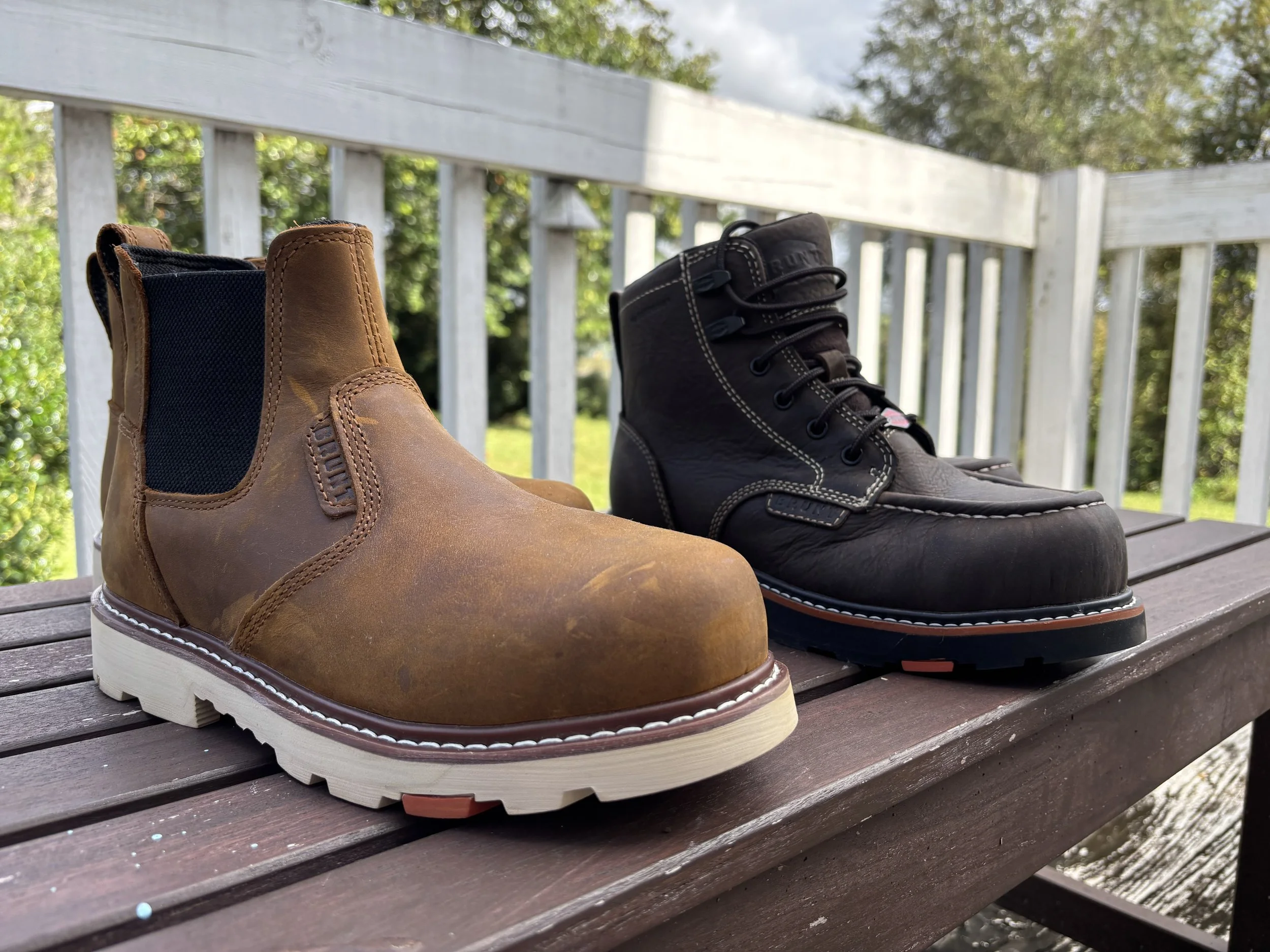
Women's work boots deserve more attention. After spending time in BRUNT's lace-up Marin and Chelsea-style Ohman, I found two surprisingly comfortable boots, but one quickly became my favorite.
Intro: Finally, Some Women's Work Boots Worth Talking About
If you've ever tried researching women's work boots, you've probably noticed something frustrating: there aren't nearly as many detailed reviews out there as there are for men's boots. You can find endless discussions about men's work footwear, but when it comes to women's options, the information gets a lot thinner.
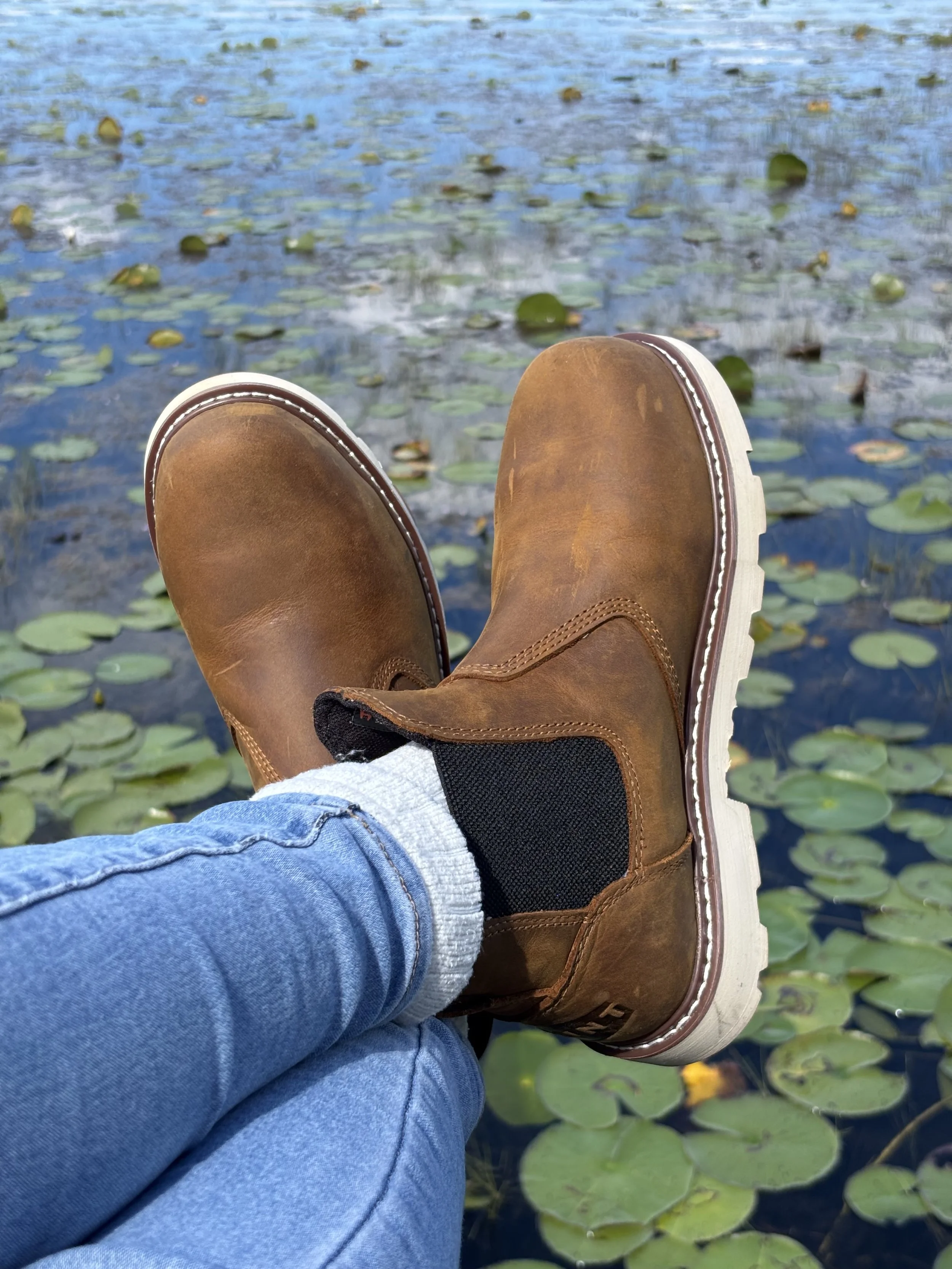
That's part of why I was excited to try two pairs from BRUNT's women's lineup: the Marin Comp Toe, a traditional six-inch lace-up work boot, and the Ohman Comp Toe, a Chelsea-style slip-on. They might share the same general purpose, but these are two very different boots. And after wearing both, I definitely have a favorite.
Before getting into the details, I should explain how I use my boots. I'm not working on a construction site eight hours a day, and I'm not going to pretend I've subjected these to months of demanding jobsite abuse. My experience comes from spending time outdoors on our rural Florida property, where there's plenty of tall grass, uneven ground, brush, and the occasional creature I'd rather not step on.
I also enjoy hiking and spending time outdoors, so I appreciate footwear that offers good support, decent traction, and enough protection that I don't have to worry about every little thing underfoot. Comfort is particularly important to me. I don't care how tough a boot looks if I can't stand wearing it for more than an hour. What surprised me about both pairs was just how comfortable they were. Looking at them out of the box, I wasn't expecting that at all.
BRUNT Women's Marin Comp Toe: The Boot That Won Me Over
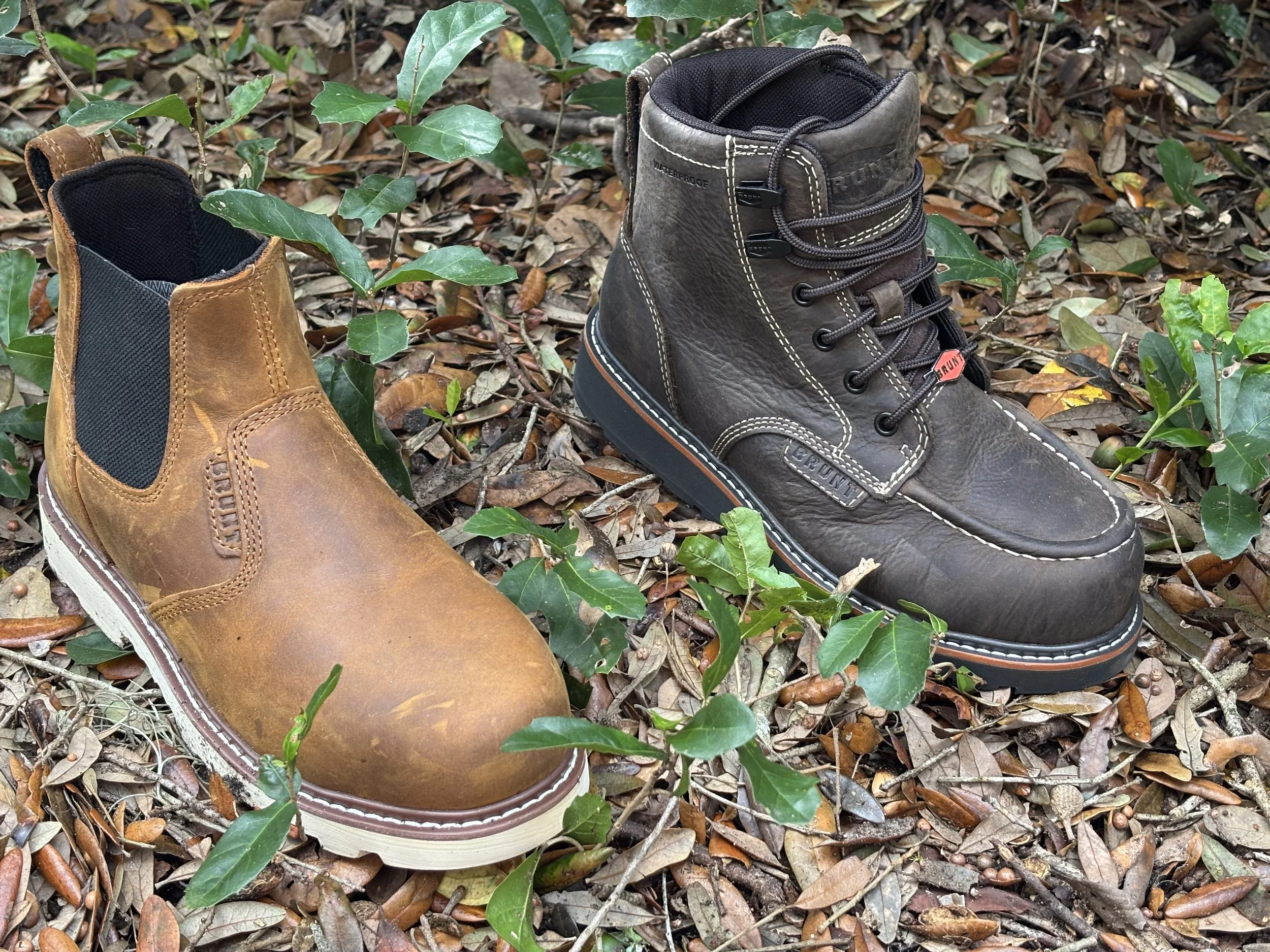
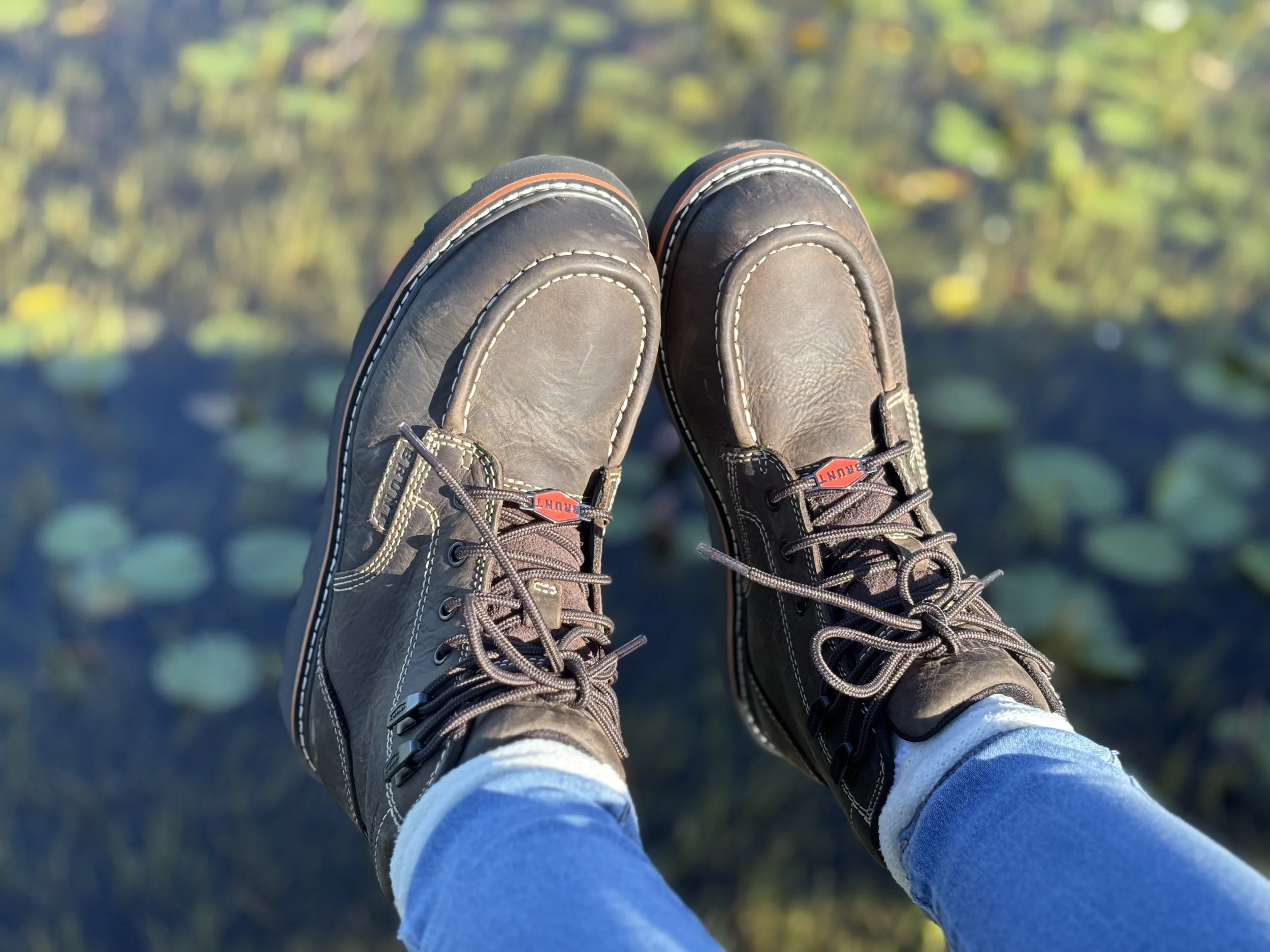
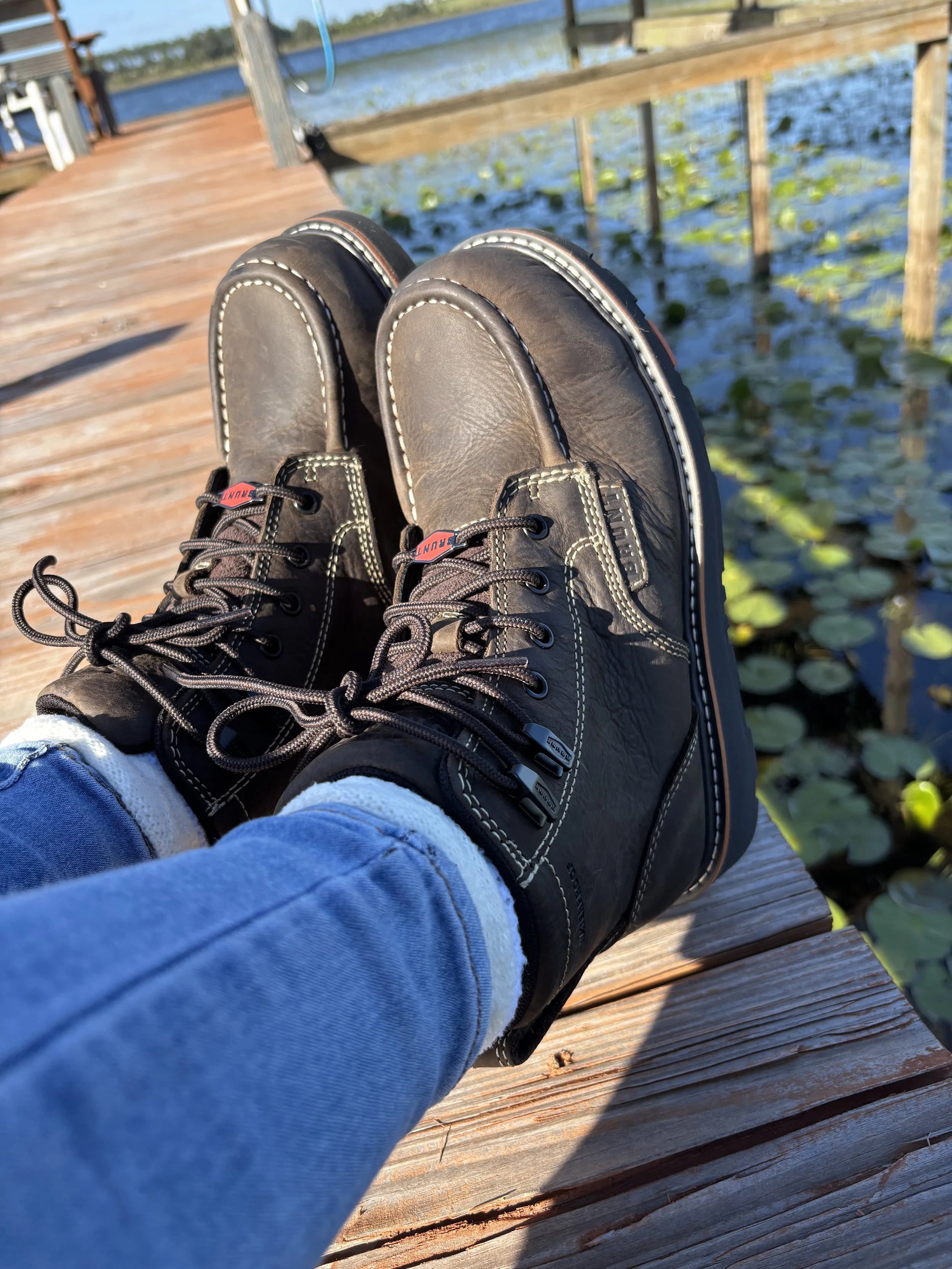
I'll get straight to it: I love the Marin boots. I've always preferred traditional lace-up footwear, so the Marin already had an advantage over the Ohman in that department. What I didn't expect was for a boot this substantial to feel so good on my feet.
These are big, sturdy-looking boots. When I first pulled them out of the box, I actually wondered whether I'd ordered the wrong size. They looked enormous compared with the shoes I normally wear, and the composite safety toe adds to that heavy-duty appearance. Thankfully, looks can be deceiving.
Sizing and Fit: Surprisingly Good for My Narrow Feet
I have very narrow feet, which can make finding comfortable footwear a challenge. I typically wear somewhere between a women's 6.5 and 7, although I almost always choose a 7 when buying enclosed shoes. I ordered the Marin in a size 7, and the fit was spot-on.
That was a relief, especially considering how bulky the boots looked before I put them on. Despite their size and substantial construction, they didn't feel oversized or sloppy once I had them laced up. One of the first things I noticed was how much room I had around my toes. The composite toe creates a generous amount of space in the front of the boot, but my feet don't feel like they're swimming around inside.
That's a big deal for me. I absolutely cannot stand shoes that push against my toes, especially when my big toe starts rubbing against the front. Even a little bit of that becomes irritating after a while, and it's one of the quickest ways for me to decide I don't like a pair of shoes.
I haven't experienced any of that with the Marin. My toes have plenty of breathing room, nothing feels crushed or cramped, and I haven't encountered any uncomfortable pressure points. For someone with narrow feet who can be pretty particular about fit, that's an excellent start.
Comfort: Heavy Boots That Somehow Disappear on Your Feet
This is where the Marin really impressed me. There's no getting around the fact that these boots have some weight to them. They're substantial, and you can tell immediately that you're wearing something considerably more rugged than an everyday sneaker. I noticed the weight when I first put them on. I thought it might become tiring after walking around for a while, but something interesting happened: I stopped paying attention to it.
The boots were simply that comfortable. I've worn the Marin for approximately three days so far, including several hours at a time, and I haven't experienced sore feet, unusual fatigue, or the kind of discomfort that makes you eager to take your shoes off.
The padding around the heel and ankle is one of my favorite details. It feels soft and plush without sacrificing that supportive, secure feeling I want from a work boot. There's no stiff edge digging into the back of my heel, and nothing has been rubbing against my ankles. The support throughout the boot also feels excellent. My feet feel comfortably held in place, rather than squeezed or restricted. And that's really the best way I can describe the Marin: the weight was forgivable because of how comfortable they are.
In fact, after a while, I practically forgot I was wearing such heavy boots. That's not something I expected to say about a pair of composite-toe work boots.
Outdoor Performance: Tall Grass, Uneven Ground, and Wet Florida Mornings
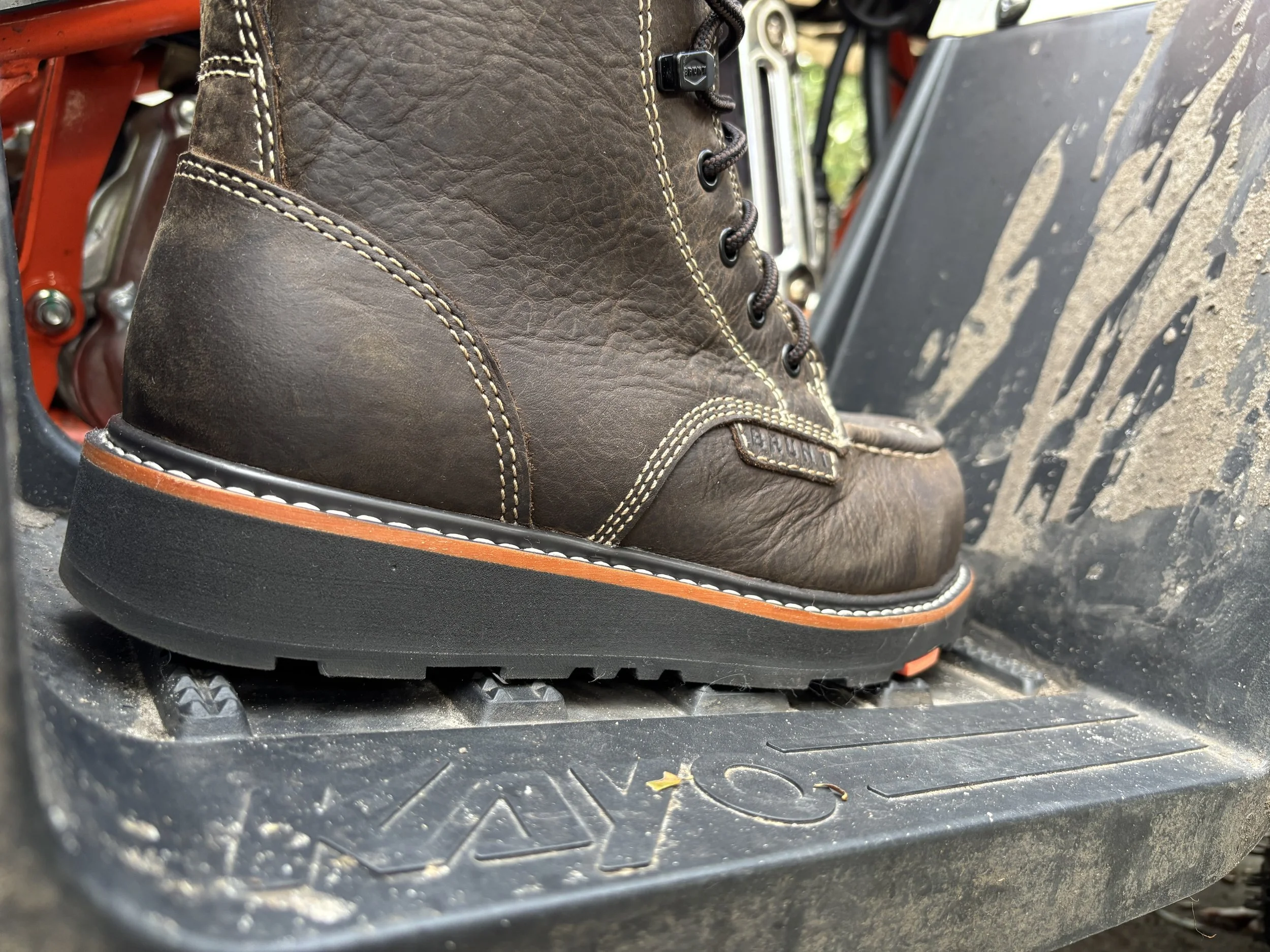
Most of my testing so far has taken place around our property in Florida, which offers a pretty good mix of everyday outdoor conditions. We have taller grass, uneven patches of ground, and areas of brush where you can't always see exactly what you're stepping into. It's not an obstacle course, but it's certainly different from walking around a house or on a perfectly maintained sidewalk. The Marin has felt sturdy and stable in these conditions. The tread looks substantial, and I've been pleased with the amount of grip I've experienced walking through grass and across uneven terrain.
I haven't felt like my footing was uncertain, which is especially important when I'm walking through areas where the ground isn't completely visible. Another thing I appreciate is the coverage. Living in Florida means dealing with insects, spiders, and the possibility of snakes in areas with heavy vegetation. I like having a substantial boot covering my feet and ankles when I'm walking through that kind of environment.
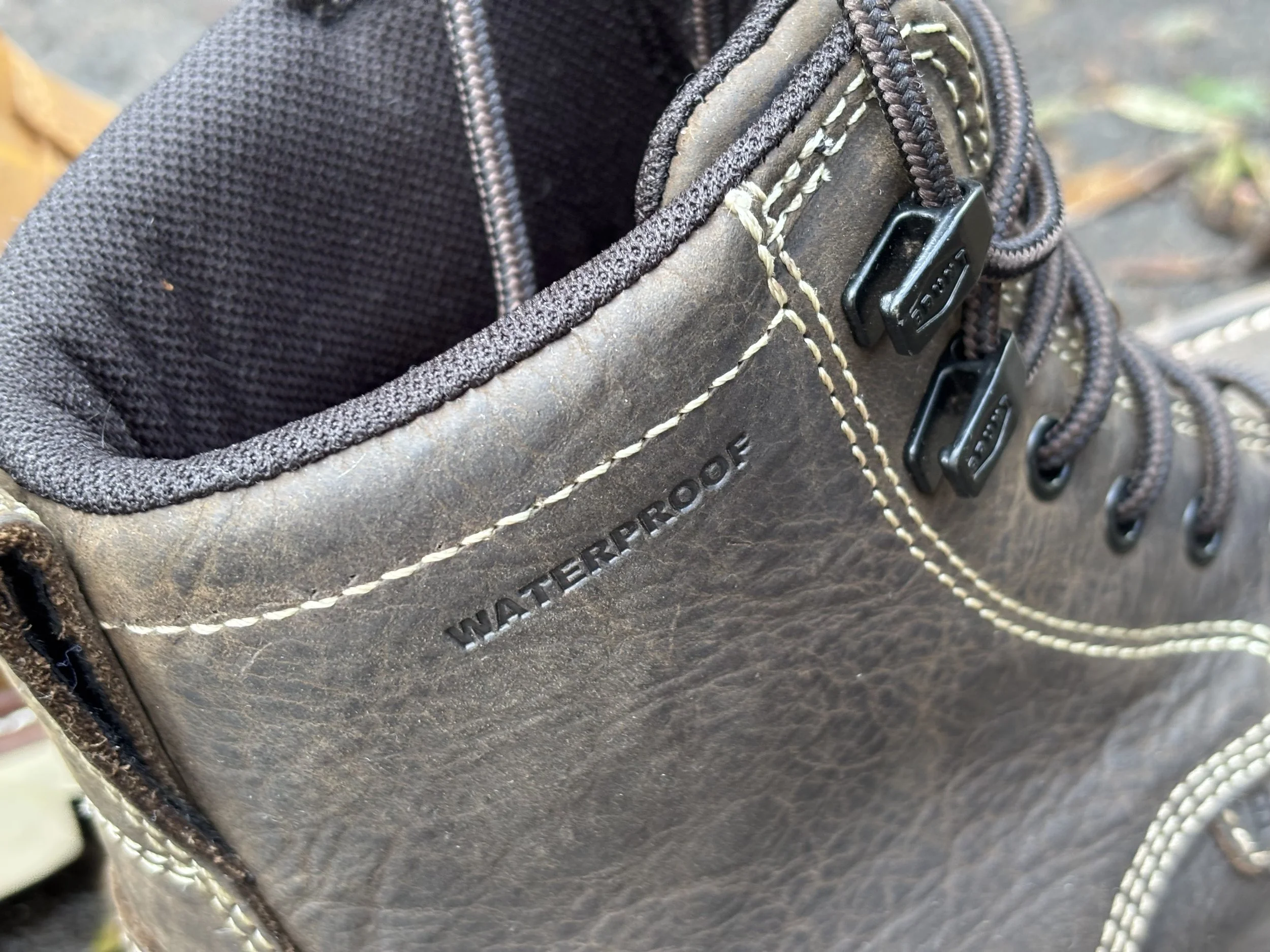
To be clear, I'm not claiming these boots provide certified snake protection, because they don't replace proper snake-protective footwear. But compared with wearing lightweight everyday shoes, I certainly appreciate the extra coverage and sturdy construction. I also walked through wet grass while wearing the Marin, and my feet stayed completely dry. That was encouraging, although I want to be careful about what it proves. I haven't tested these boots in standing water, heavy rain, or deep mud, so I'm not going to make sweeping waterproofing claims based on walking through wet grass. For the conditions I've actually encountered, though, they've performed very well.
Are They Too Hot for Florida?
One concern I had before wearing the Marin was heat. Florida isn't exactly known for its cool, comfortable weather, and these are big boots with a lot more material around your feet than a typical pair of sneakers. I expected them to feel hot. Surprisingly, they haven't been nearly as warm as I anticipated. Even while spending time outside, I haven't found myself wishing I were wearing something lighter simply because my feet were overheating. That's a pleasant surprise, especially given how substantial the boots look.
I suspect they'll be particularly comfortable when the weather cools down, but I haven't worn them in genuinely cold conditions yet. For now, I can only say that they've been more comfortable in Florida's warmth than their bulky appearance led me to expect.
Build Quality: They Certainly Look the Part
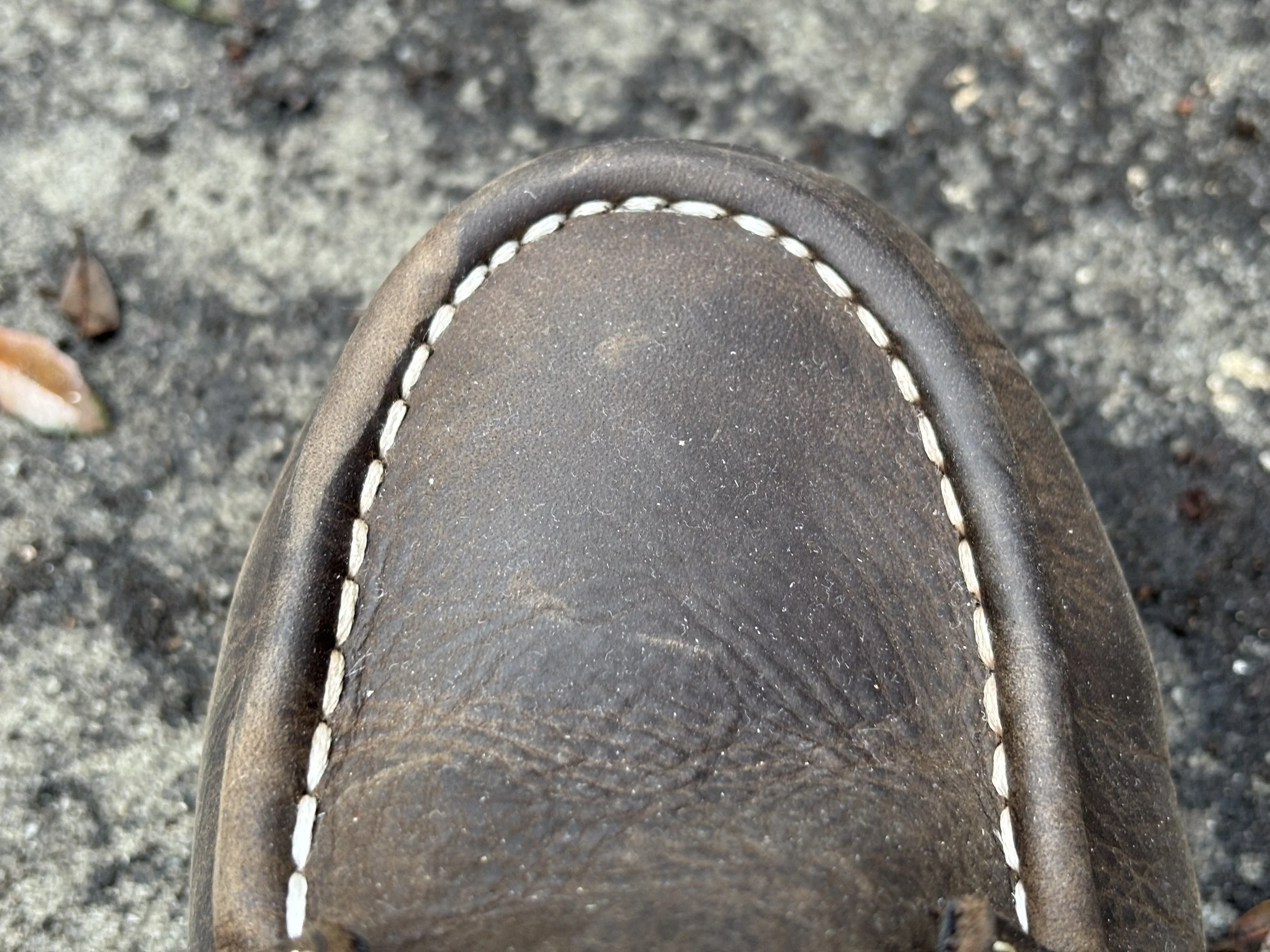
The Marin gives a strong first impression when it comes to construction. The materials feel sturdy, the stitching looks neat and consistent, and the entire boot has a solid, substantial feel. Nothing about the pair I've received strikes me as flimsy or cheaply assembled. I also appreciate the traditional lace-up design. Beyond simply liking the look, I enjoy being able to adjust how snugly the boot fits around my foot and ankle.
That flexibility is especially useful when you have narrow feet, since getting the fit just right can make a noticeable difference in comfort. Of course, there's a distinction between a boot that feels well-made and one that has proven itself over years of use. I've only worn these for a few days, so I can't tell you how the stitching, soles, or other materials will hold up after months of hard work. What I can say is that the initial quality inspires confidence.
I'm also planning to take the Marin hiking during an upcoming camping trip. That should give me a better opportunity to evaluate how they handle longer walks and more varied terrain. For now, though, they're easily my favorite of the two pairs.
BRUNT Women's Ohman Comp Toe: A Comfortable Chelsea Boot With a Few Quirks
Now let's talk about the Ohman. The Ohman takes a completely different approach from the Marin. Instead of traditional laces, it uses a Chelsea-style design with elastic side panels, giving it a cleaner appearance and eliminating the need to tie your boots. I understand why people like this style. My husband actually prefers the men's Ohman boots, so we have very different opinions about which design is best.
And while the Marin is my clear favorite, I want to emphasize something: I genuinely like the Ohman, too. In fact, I was surprised by how comfortable it was once I got it on my foot. The catch is that getting it on wasn't quite as easy as I expected.
Getting Them On: Not Quite the Effortless Slip-On I Expected
When I think of a slip-on boot, I imagine something I can pull onto my foot without much trouble. That wasn't exactly my first experience with the Ohman. The elastic side panels and opening felt fairly snug as I tried to get my feet inside. It took more effort than I anticipated, and for a moment I wondered whether the fit was going to be too tight. Once my feet were fully inside and properly situated, though, the fit was much better.
I should mention that I'm not particularly accustomed to wearing Chelsea-style work boots, so part of this may simply be getting used to the design. It's also possible the opening will become easier to work with as the boots break in. I haven't worn them long enough to know whether that's going to happen, but I'm interested to find out. For someone who regularly takes boots on and off throughout the day, the lace-free design could still be appealing. Just don't assume that slip-on automatically means effortless, at least not right out of the box.
Sizing and Toe Room: Another Pleasant Surprise
Just like the Marin, I ordered the Ohman in my usual women's size 7. And just like the Marin, the sizing felt accurate once I had the boots on. The composite toe leaves plenty of room in the front, which was one of my biggest concerns before trying either pair. My toes don't bump against the front, and I haven't experienced uncomfortable rubbing around my big toe or the sides of my feet. That's particularly impressive considering that the Ohman doesn't have laces to fine-tune the fit. With a slip-on design, I was concerned that my narrow feet might not feel properly supported, or that the boot would have to fit too tightly in certain areas to stay secure.
Fortunately, that hasn't been my experience. Once they're on, the Ohmans feel supportive and comfortable, with no obvious pressure points around my feet or ankles.
The Insole Adjustment That Made a Difference
There was one fit issue I noticed almost immediately, although it turned out to be easy to address. With both insole layers installed, the Ohman felt a little too snug for my liking. It wasn't necessarily painful, but I wanted a little more breathing room inside the boot. I removed one of the insole layers, and the difference was noticeable. The fit immediately felt more relaxed and comfortable without becoming loose or unsupportive.
That adjustment made the Ohman much more enjoyable to wear. It's worth mentioning because everyone's feet are different. Someone with a different foot shape might prefer the original configuration, while someone who wants a little extra space may appreciate being able to adjust the fit. For me, removing that layer was the right choice.
Comfort: Very Good, but the Marin Still Wins
I've worn the Ohman for approximately one full day so far, including walking around our property, and I've been pleasantly surprised by the comfort. Once my feet are properly inside, the boots feel sturdy, supportive, and comfortable enough that I haven't experienced soreness or irritating pressure points. That's impressive for a composite-toe work boot, especially one that initially felt a little difficult to get into.
However, there is one difference between the Ohman and Marin that stands out to me. The back edge around the Ohman's heel feels a little firmer and more pronounced. It's not sharp enough to hurt, and it hasn't rubbed or caused any discomfort during my testing, but it's noticeably different from the Marin's softer, more generously padded heel and ankle area. The Marin simply feels more plush around the back of my foot.
That might sound like a small detail, but when you're wearing boots for hours, those little differences can have a big impact on which pair you reach for first. In my case, the Marin's softer padding and adjustable laces make it the more comfortable choice. But I wouldn't describe the Ohman as uncomfortable. Not even close.
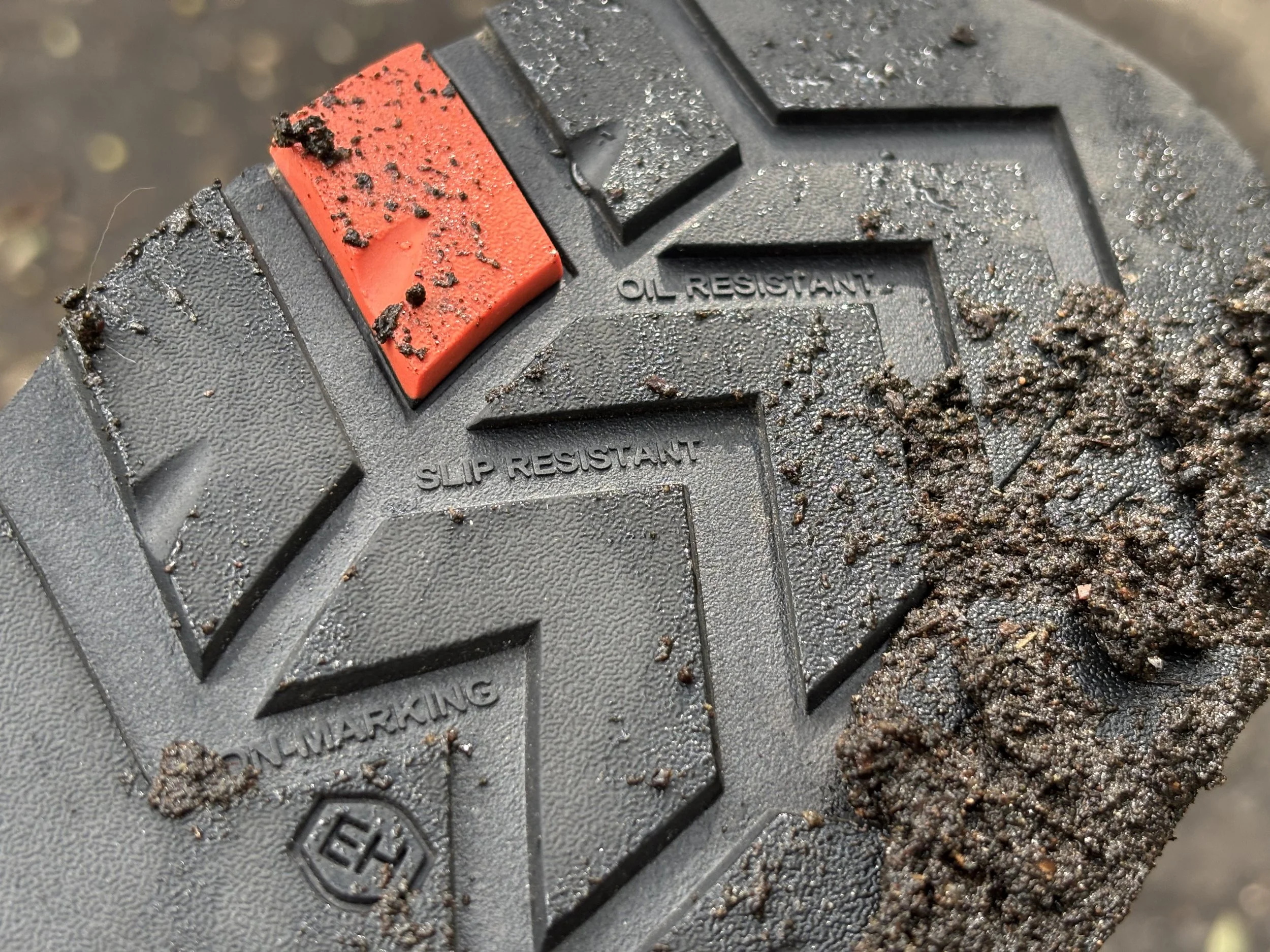
Traction and Outdoor Use: Promising, but Still Early
Like the Marin, the Ohman has a substantial-looking tread and feels like a sturdy piece of footwear. I've walked around the property wearing them and found them stable and comfortable during general outdoor use.
The soles look capable of handling more than smooth pavement, and I haven't encountered any obvious traction problems in the conditions I've tried. That said, I've spent considerably less time in the Ohman than the Marin.
I haven't tested the Ohman extensively in mud, heavy rain, or particularly demanding terrain. I also haven't specifically evaluated how well it keeps water out. So while my initial impressions of the traction and stability are positive, I don't want to suggest I've put these boots through conditions I haven't actually encountered. There's still more testing to do.
Construction and Heat: Another Solid First Impression
The Ohman shares the same reassuring sense of sturdiness that I noticed with the Marin. The materials feel substantial, the stitching looks good, and the overall construction gives the impression of a boot designed for regular use. I also like the Chelsea styling. It's a little cleaner and simpler than a traditional lace-up boot, which may appeal to someone who wants work footwear that doesn't look quite as traditional.
And just like the Marin, the Ohman hasn't felt nearly as hot as I expected. Given the size and construction of these boots, I anticipated more heat buildup than I've experienced so far. That's encouraging for Florida, although I haven't worn them through enough different temperatures and conditions to make any definitive claims about how they'll perform throughout the year. As for durability, the same caveat applies: one day of wear isn't enough to judge how a work boot will hold up over the long term. The initial impression is good, but it's still an initial impression.
Marin vs. Ohman: Two Boots That Feel More Different Than They Look
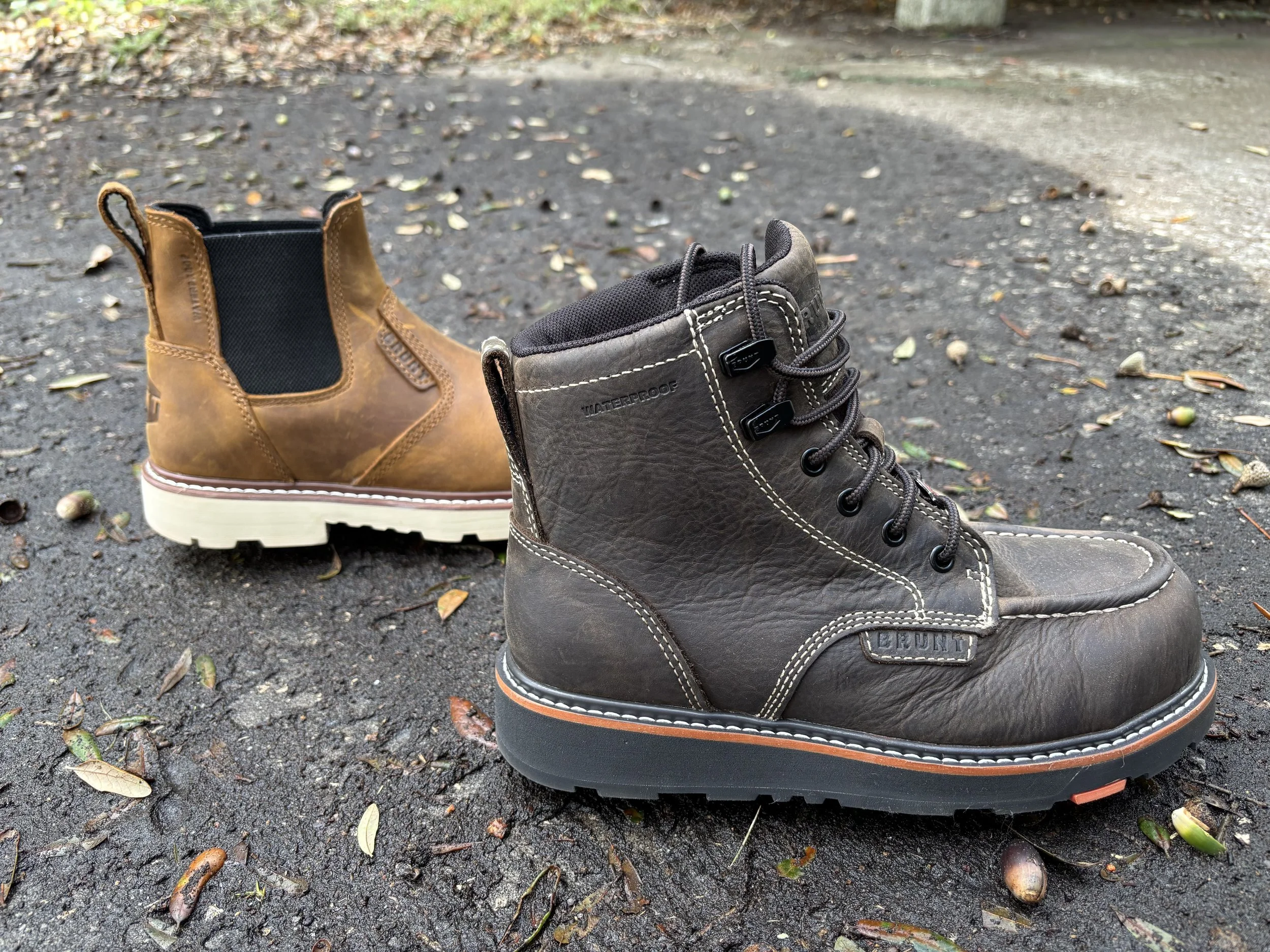
After trying both pairs, I think the biggest difference comes down to how you prefer your boots to fit and how you want to put them on. The Marin has traditional laces, which allow me to adjust the fit around my feet and ankles. I also find its heel and ankle padding noticeably softer and more comfortable. The Ohman trades those laces for a Chelsea-style opening with elastic side panels. I like the cleaner appearance, and I understand why someone would prefer not having to tie their boots every time they put them on.
But that convenience comes with a small catch: at least when new, the Ohman was more difficult for me to pull on than I expected. Once on, both boots fit true to my usual size 7. Both offer excellent toe room, and neither has caused the rubbing or cramped feeling I sometimes experience with enclosed shoes. Both also surprised me with their comfort, particularly considering their substantial weight and heavy-duty construction.
The Marin has the edge in my experience because of its softer padding and the control I get from the laces. The Ohman remains a good option for someone who prefers the Chelsea style and finds its opening comfortable to use. My husband and I are actually a good example of how personal this decision can be. He prefers the men's Ohman, while I strongly prefer the women's Marin. Neither preference is necessarily right or wrong. We simply like different things in a boot.
What About the Composite Safety Toes?
One thing I was especially curious about with both boots was whether the composite safety toes would make them uncomfortable. I've worn plenty of enclosed shoes where the front feels too restrictive, and I wasn't particularly excited about the idea of adding a protective toe structure to that equation. Fortunately, neither boot has given me that problem.
Both the Marin and Ohman offer plenty of space around my toes, and I haven't experienced the uncomfortable bumping, rubbing, or squeezing I was concerned about. That doesn't mean every woman will experience the same fit. Foot shape varies considerably, and my narrow feet are only one example. But if you're worried that a composite-toe work boot will automatically feel cramped, my experience with these two pairs has been reassuring. I haven't performed any safety-impact testing, and I'm not evaluating their protective ratings beyond the fact that these are the composite-toe versions. My observations are about how the boots fit and feel during normal wear.
Are BRUNT Women's Work Boots Actually Comfortable?
This is probably the question I was most interested in answering, and so far the answer is a definite yes. I went into this review expecting sturdy, somewhat heavy boots that I'd tolerate because they offered more protection and support than my everyday shoes. Instead, I found two pairs that are genuinely pleasant to wear. That's especially meaningful to me because I'm particular about footwear. I have narrow feet, I dislike pressure against my toes, and I notice quickly when something starts rubbing against my heel or ankle.
Neither pair has given me those problems during the time I've worn them. The Marin has been particularly impressive. Despite its weight, I can spend hours in it without my feet feeling sore or tired. The plush padding around the heel and ankle makes a real difference, and the lace-up design lets me get the fit where I want it.
The Ohman is also comfortable, especially after I removed one of the insole layers to give myself a little extra room. If comfort is your biggest concern, I wouldn't overlook either one simply because they look large and heavy. They certainly surprised me.
What I Still Want to Test
As much as I like both pairs, I think it's important to be realistic about what I've learned so far. I've worn the Marin for about three days and the Ohman for approximately one day. That's enough time to develop meaningful first impressions about fit, comfort, and general outdoor use, but it's nowhere near enough to judge long-term durability.
I still want to see how the materials and stitching hold up after repeated wear, whether the soles maintain their grip over time, and how comfortable the boots remain during longer outdoor activities. I'm particularly interested in taking the Marin hiking during our upcoming camping trip. Walking around our property has given me a good introduction to the boots, but longer trails should tell me more about how they handle sustained walking and varied terrain.
I also haven't subjected either pair to heavy rain, standing water, or deep mud. The Marin kept my feet dry while walking through wet grass, which was great, but that doesn't establish how it will perform in more demanding wet conditions. And while both pairs have been surprisingly comfortable in Florida's warmth, I haven't tested them in cold weather. Those are all things I'd want to know before making bigger claims about performance.
Final Verdict: The Marin Is My Winner, but the Ohman Deserves Attention
After spending time with both pairs, I came away impressed with BRUNT's women's work boots. I wasn't sure what to expect when I first saw them. They're large, substantial, and considerably more rugged-looking than the shoes I normally wear. I honestly thought their weight and bulk might make them uncomfortable. Instead, both exceeded my expectations.
The Women's Marin Comp Toe is easily my favorite. I love the traditional lace-up design, the generous room around my toes, and especially the plush padding around the heel and ankle. They're heavy, but they're so comfortable that I stopped thinking about the weight after wearing them for a while. They've also felt stable walking around our property, kept my feet dry through wet grass, and haven't been nearly as hot as I expected. I'm looking forward to taking them hiking and seeing how they perform with more miles behind them.
The Women's Ohman Comp Toe is a good boot in its own right. I like the Chelsea styling, the roomy toe area, and the overall comfort once they're on. I just wish they were a little easier to pull on, and I personally prefer the softer feel around the Marin's heel. For someone who likes slip-on boots, the Ohman is absolutely worth considering. Just be prepared for a snug opening, at least initially. I also appreciate that both pairs have made me rethink what I should expect from a heavy-duty work boot. I assumed I'd have to sacrifice some comfort for sturdier footwear, but that hasn't been the case.
It's still early, and I'm not going to pretend a few days of outdoor use can tell me how these boots will hold up after a year of hard work. But based on everything I've experienced so far, I'd happily recommend putting both on your shortlist, with the Marin getting my strongest recommendation.
And considering how difficult it can be to find detailed information about women's work boots in the first place, I hope this gives other women a better idea of what to expect before ordering a pair.
