Has Makita Given Up? LXT Is Stagnant, CXT Is Forgotten and XGT Is Too Expensive
Disclosure: We may earn a commission when you purchase through links on our site. This does not influence our reviews or recommendations.
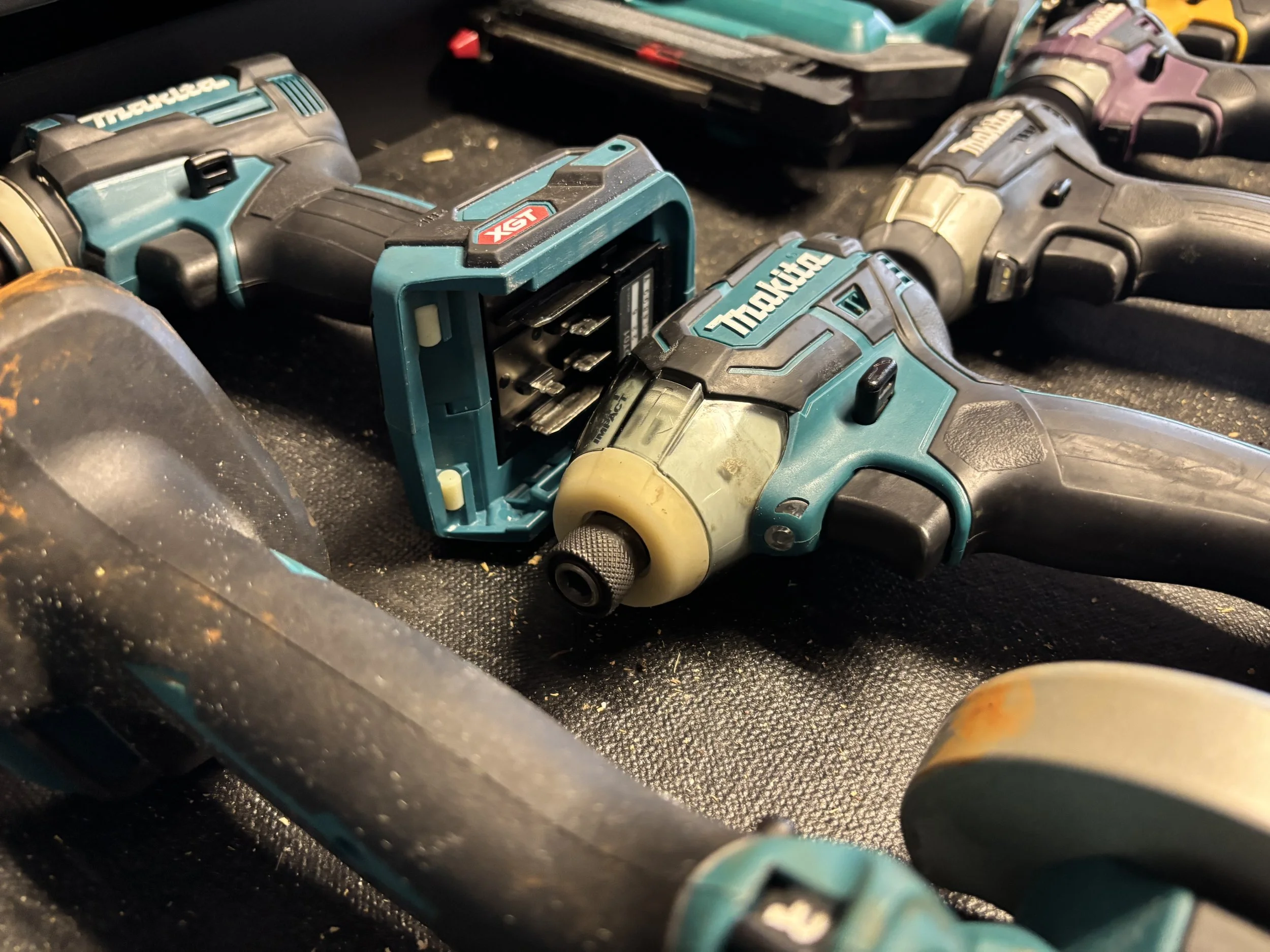
If you've followed Ultimate Tool Reviews for a while, you've probably noticed I haven't covered Makita nearly as much lately. That's a strange thing for me to admit, because I own a ton of Makita gear, I've covered the brand for years, and I still reach for Makita tools constantly in my day-to-day work. This isn't me abandoning the brand or deciding the tools aren't good — if anything, Makita still makes some of the most reliable cordless tools I own. The problem is simpler than that: Makita just isn't giving me much to talk about anymore.
LXT Feels Stagnant
LXT is a massive 18V platform with one of the deepest tool catalogs in the industry, but a lot of that catalog has gone years without a real update. Some of the right-angle tools are more than a decade old. I'd love to see a genuinely new LXT reciprocating saw. The subcompact line was fantastic when it launched, and we still haven't gotten the second-generation overhaul I'd expect by now.
Makita does keep updating impact drivers — the XDT21 replaced the XDT20 this year as a "4-speed" model — but when you look at what actually changed between the two, it's mostly speed-mode tuning rather than anything that changes how the tool performs on the job. There's only so much further you can push an impact driver before the differences become marginal, and Makita has spent a lot of its recent update cycles doing exactly that instead of touching the tools that actually need attention.
Meanwhile, entire corners of LXT feel like they're just waiting for a new generation. Even the batteries tell the story. LXT is still an excellent platform, but where are the genuinely new battery designs? Compact high-output packs, newer cell chemistries, anything that moves the platform forward rather than just adding another Ah option? I don't need Makita to change things for the sake of changing them — if it isn't broken, don't fix it — but eventually a mature platform still needs to move.
Did Makita Forget About CXT?
Then there's CXT, Makita's 12V line, and this is the one that frustrates me most.
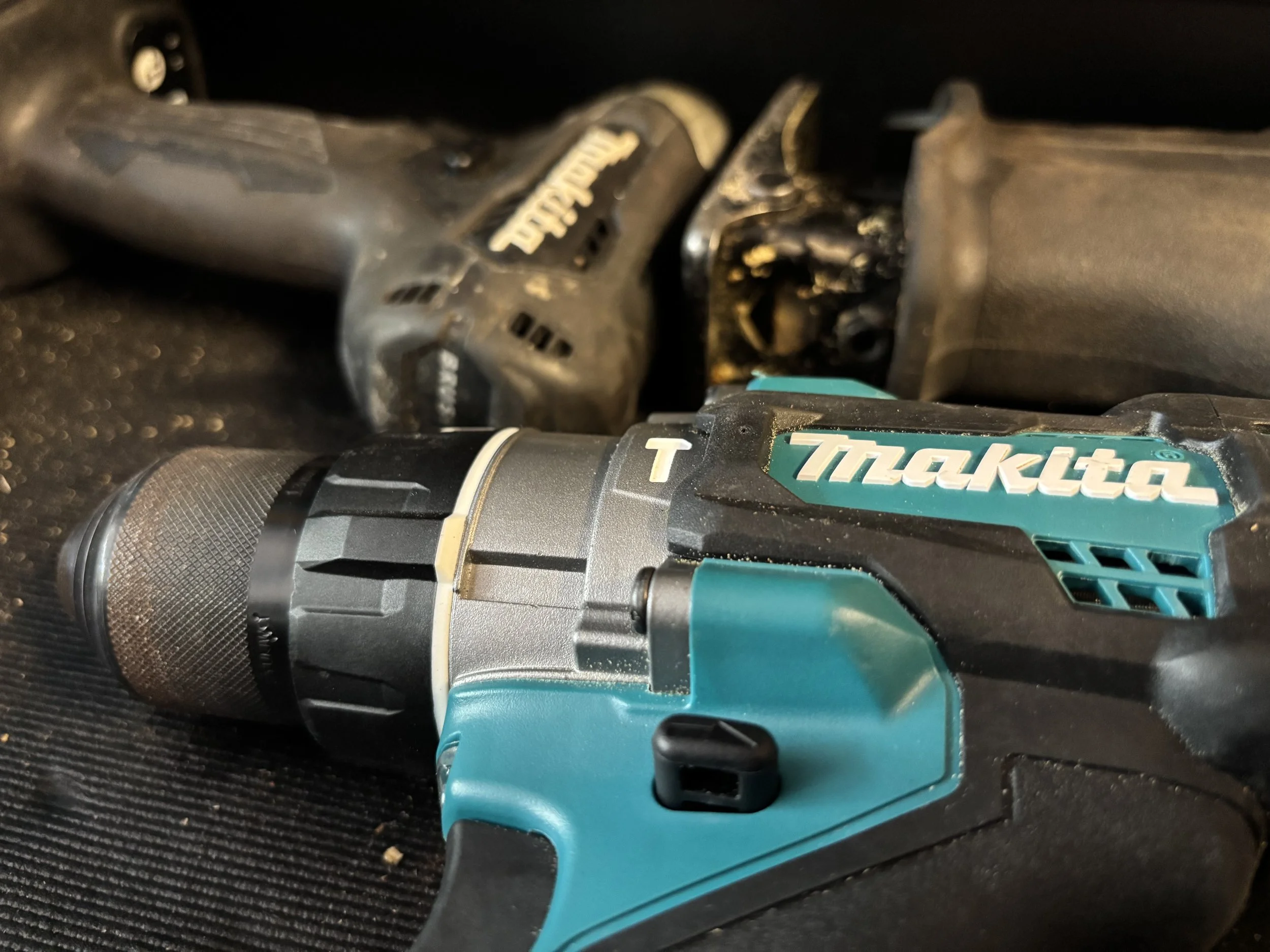
I actually love CXT. I still buy CXT tools on eBay when I find a good deal. We were putting furniture together recently and doing some work in our upstairs apartment, and the CXT drill and impact driver were exactly what I wanted for it — light, quick, and not overkill for the job. But here's the thing: the "next-generation" 12V max CXT lineup that Makita's still selling today launched back in 2016. That's not a typo. An entire tool platform that a huge number of Makita owners rely on hasn't seen a ground-up refresh in about a decade, while the company has spent that same stretch pouring resources into XGT.
I don't buy the idea that a good 12V platform steals sales from an 18V platform. I own both because they do different jobs. Give me a lightweight 12V tool for furniture assembly and lighter work all day. But I've also shown up to heavier jobs with 12V tools and regretted not bringing 18V — start driving large lag bolts or doing anything with real load, and the gap becomes obvious fast. I don't see 12V and 18V as competitors; I see them as complementary. Milwaukee clearly understands that with M12 and M18, where both platforms get real, regular attention. I'd love to see Makita treat CXT the same way again.
XGT Isn't Really Replacing What I Miss About LXT
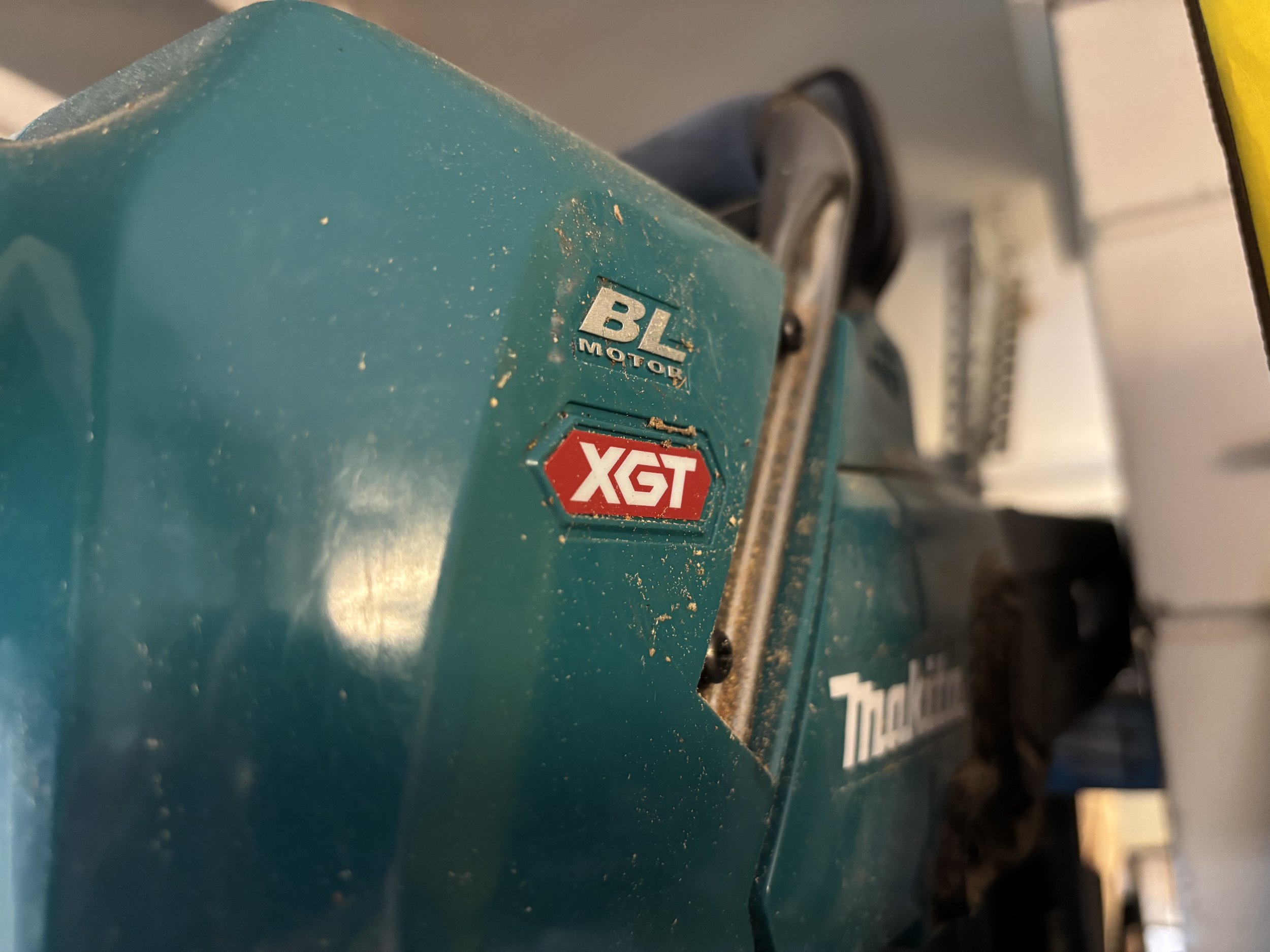
Makita has obviously put a lot of investment into XGT, its 40V (and 80V max, when you pair two packs) platform, and I own several XGT tools myself. My experience with them has been genuinely great — reliability hasn't been the issue. Price is.
And it's not that XGT is unreasonably priced for what it does. This year alone Makita has rolled out things like a 40V max XGT backpack blower rated to match a 65cc gas unit, and a pipe belt sander aimed squarely at welders and pipefitters. That's serious, commercial-grade equipment, and the pricing reflects that. It increasingly makes sense once you're a shop or crew with real commercial applications to justify it. But I'm not that upper-end commercial buyer looking to drop that kind of money on specialized cordless equipment, even though I do use tools commercially myself.
That's the distinction I keep coming back to: I'm not saying XGT is bad because it's expensive. I'm saying it doesn't solve the problem for the huge number of existing Makita owners who just want fresh LXT tools. I've already got the batteries. I've already got the chargers. I've already got a massive pile of LXT gear. Give me reasons to keep buying into the platform I'm already standing on, instead of asking me to buy into a new one from scratch.
Makita Has Also Become Harder to Buy
My buying habits have changed too, and that's part of this. I used to buy a huge amount of Makita gear at Home Depot — walking the aisles and finding clearance tools, BOGO deals, holiday promos, the random discount that makes you think, yeah, I'll grab that. That kind of in-store impulse buying is how a lot of tool collections actually grow.
Makita doesn't have that same retail presence or deal environment for me anymore. XGT in particular hasn't had much of a retail footprint — a lot of the launch activity I found while looking into this has been trade-show appearances and dealer-specific demo events rather than the kind of big-box promotions LXT used to get. So I've ended up looking online instead, and I'm just a lot less likely to impulse-buy a $200 tool on a website than I am to find something sitting in front of me at Home Depot for $130 on clearance. Without those deals pulling me in, my spending on Makita has dropped noticeably.
Makita's Reliability Is Ironically Working Against Them
Here's the irony: my Makita tools don't die. That's fantastic as an owner. It's less fantastic if Makita wants me to keep buying tools while not releasing compelling replacements for the ones I already have. I still own Makita tools that are years old, still working perfectly, with no substantially better version on the market to replace them with — so I just keep using what I've got. It's a strange criticism to make of a tool company, but it's a real one: when your stuff lasts this long, you need actual innovation to give existing customers a reason to buy again.
Meanwhile, Other Brands Never Stop Moving
This becomes obvious when you look at a company like Milwaukee, which seems to be constantly announcing something — new generations, new battery tech, new specialty tools, steady drops across both M12 and M18. Makita does still ship new tools regularly (four new releases in August alone this year, five the month before), but a lot of that volume is backpack blowers, work lights, and outdoor equipment variants rather than the core hand-tool categories a lot of long-time LXT owners are actually waiting on. What feels like a major quarterly release from Makita can sometimes resemble what another brand announces on a random Tuesday.
That's why there's been less Makita coverage from me. It's not that I turned anti-Makita — there's just less happening that I find worth making a video about. I don't want to cover releases just to cover them. If Makita puts out another incrementally-updated impact driver while a bunch of tools I've used for years sit essentially frozen, there's only so much I can say about it.
Makita Doesn't Really Talk to Me, Either
There's one more piece of this I've always found strange: after years of covering the brand, I've never really had a relationship with Makita. They haven't reached out, and I haven't had the kind of back-channel communication that might explain where these platforms are actually headed. I don't expect that or feel entitled to it — I buy the tools myself, and I always have. But when a brand's direction gets this confusing, communication would help. What's the long-term plan for LXT? Where does CXT actually fit going forward? Who is XGT really built for? Are the older LXT categories ever getting the update they need? As someone who's owned and covered a huge number of these tools, I'd genuinely like to know.
Has Makita Given Up?
I don't think Makita has literally given up — the company still makes excellent tools, and I'm still using plenty of them. But from where I'm standing as a long-time owner, it feels like they've taken their foot off the gas. LXT feels stagnant. CXT feels forgotten, still running on a platform that hasn't fundamentally changed since 2016. XGT is excellent but expensive, and increasingly aimed at commercial buyers with needs and budgets well beyond the average contractor or serious DIYer. The retail deals that used to keep pulling me back into the ecosystem aren't nearly as compelling as they used to be.
I haven't left Makita. Makita just hasn't given me many reasons to buy more Makita lately — and for a company that already builds tools reliable enough to last for years, that's a very different problem. It's also one I'd genuinely like to see them fix.