The Solar Generator Industry Has a Serious Problem: Cheap Gas Generators Are Still Crushing It
Disclosure: We may earn a commission when you purchase through links on our site. This does not influence our reviews or recommendations.
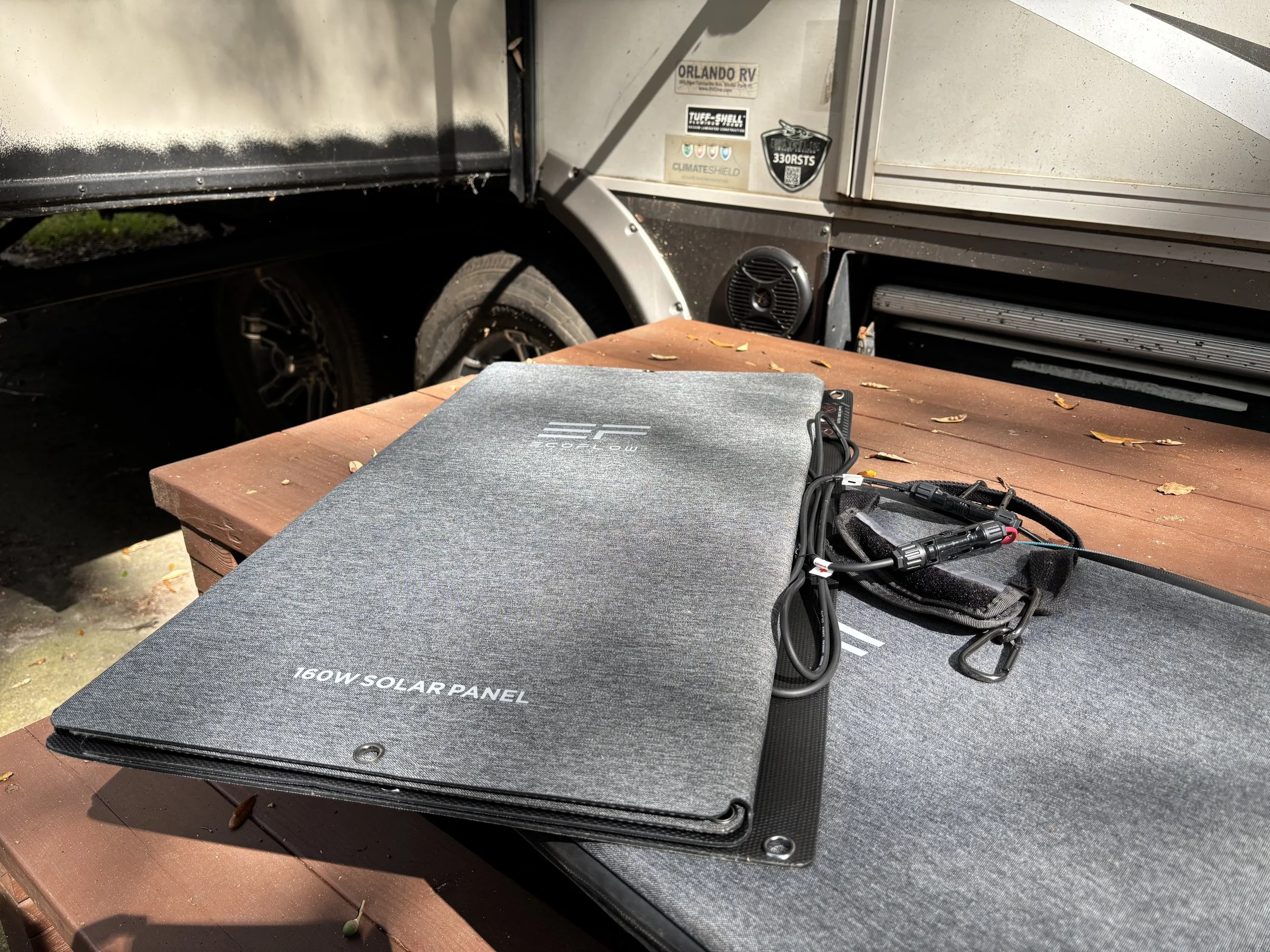
TL;DR - Apparently, the future of portable power involves spending thousands of dollars, unfolding a small solar farm, and hoping the weather cooperates. I'll be over here finishing the job with my gas generator.
I've got four gas generators sitting in my collection right now, and every single one of them has impressed me. Some are from lesser-known manufacturers, some are surprisingly affordable, and all four have proven to be dependable machines that do exactly what they're supposed to do. They produce electricity, run equipment, and keep working as long as I supply them with fuel and maintain them properly.
Now, sitting alongside those generators are several battery-powered power stations and solar charging systems. They're modern, packed with electronics, and marketed as the future of portable power. They're also considerably more expensive as a group than my four gas generators combined.
And here's the part that should embarrass the portable solar generator industry: My four gas generators can do substantially more work than my much more expensive collection of battery-powered alternatives. That's not a prediction about the future or an argument based on marketing specifications. That's my experience after years of testing both technologies. When I need serious electricity, especially for actual work, I'm reaching for a gas generator every single time.
Best Deals on Gas Generators on Amazon!
Best Solar Generators on Amazon!
Nobody Running a Serious Jobsite Has Time to Wait for Sunshine
Let's get something straight. A jobsite isn't a campground, and electricity isn't a luxury when you're trying to get work done. Whether you're operating saws, compressors, chargers, lighting, or other equipment, you need power when the job demands it. Not when the weather cooperates. Not when your battery finishes charging.
And certainly not after you've spent half the morning unfolding solar panels and trying to find the perfect patch of sunlight. There's a reason gas and diesel generators remain common on construction sites, remote jobs, and commercial projects. They provide sustained power that workers can depend on throughout the day.
Sure, battery-powered equipment has become increasingly capable, and there are situations where a portable power station can be useful on a jobsite. But replacing a conventional generator for demanding, extended operation is another matter entirely.
Imagine running a power-hungry tool and watching your remaining battery capacity disappear. Now imagine having to stop working because the battery is depleted and your solar panels aren't producing enough electricity to keep up. That's not progress. That's an expensive interruption.
A properly sized gas generator doesn't require a sunny afternoon or a fully charged battery. You supply the fuel, start the engine, and get back to work. On a real jobsite, the best power source isn't the one with the prettiest display. It's the one that keeps your equipment running until the job is finished.
Four Gas Generators. More Power. Less Money.
Here's what makes this comparison particularly frustrating for me. I own four gas generators, and collectively they've cost me considerably less than the battery-powered generator and solar equipment I've accumulated.
Yet the gas generators are far more capable when it comes to sustained electrical output. Think about that. I've spent more money on equipment that's supposed to represent the future of portable power, only to find that the traditional alternatives are better suited to the demanding work I actually need them to perform.
Some of my gas generators come from brands that aren't exactly household names. You might expect compromises in performance or reliability, especially given their pricing. But that hasn't been my experience. They've worked extremely well, and I've had no major issues with any of the four.
Meanwhile, I've encountered more problems with my battery power stations than I have with these supposedly maintenance-heavy combustion engines. That's a difficult reality to ignore. I'm not suggesting every inexpensive gas generator is a masterpiece or that every battery power station is unreliable. But after testing this equipment for years, I have to judge it by what it actually delivers. And right now, my money goes substantially further with gasoline.
Best Deals on Gas Generators on Amazon!
Best Solar Generators on Amazon!
The Solar Generator Industry Has a Serious Pricing Problem
Let's talk about the money, because this is where the solar generator argument really starts falling apart for demanding outdoor applications. You can purchase a capable gas generator for around $400, depending on the model. Some of these machines deliver thousands of watts of continuous electrical output, making them useful for tools, appliances, emergency backup, and a variety of other applications.
Now try to build a comparable solar-powered setup. First, you need the power station itself. And if you want enough inverter output to operate demanding equipment, you're already looking at a more expensive class of product. Next comes battery capacity. Having enough output to start a tool means very little if you don't have enough stored energy to keep it running.
Then you need solar panels, which introduce yet another expense. And if you want meaningful charging performance, a small panel isn't going to accomplish much. Before long, you're looking at hundreds or thousands of dollars in additional equipment just to address limitations that a conventional generator doesn't have.
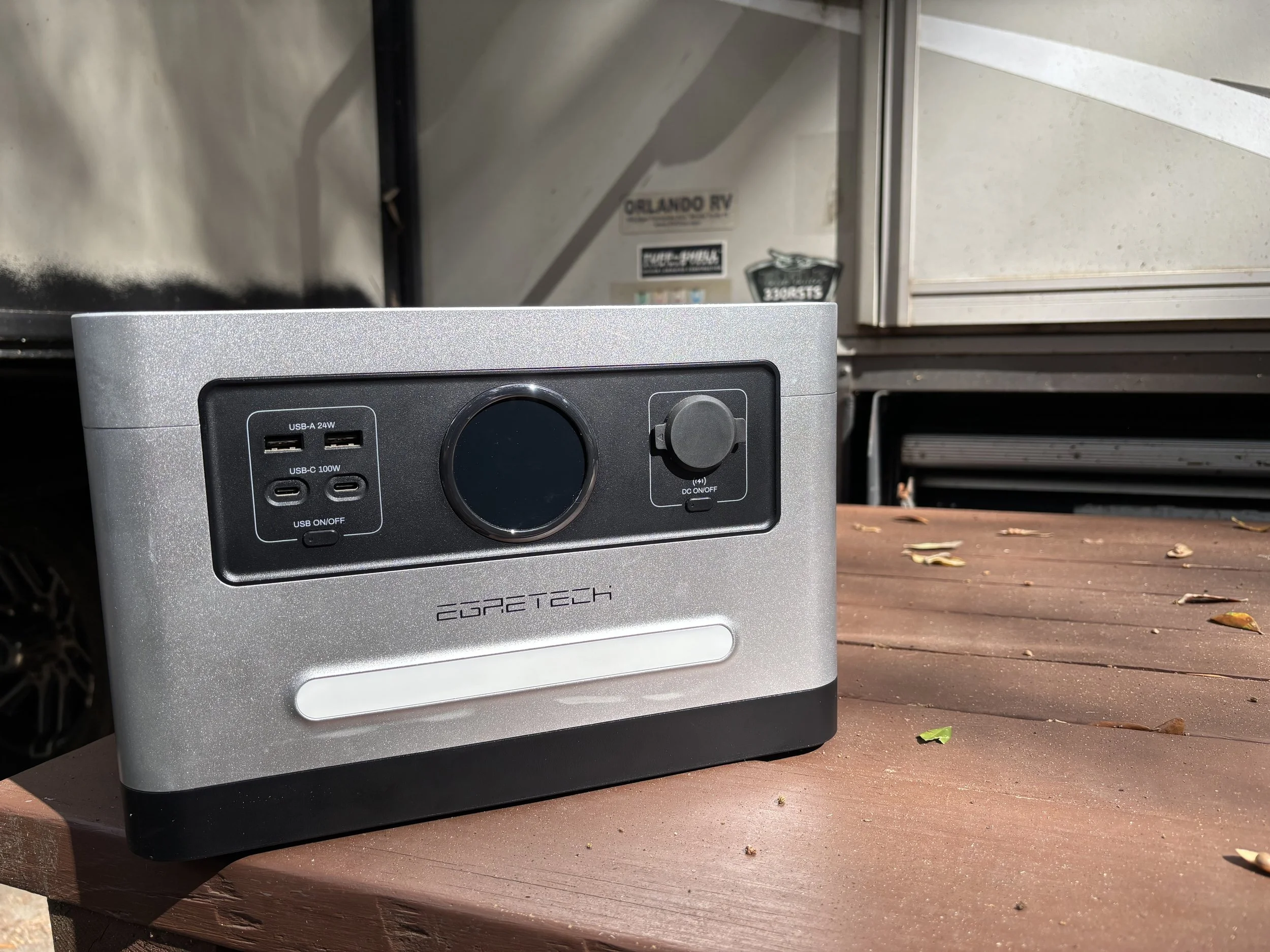
And what do you get for all that money? A system that still depends on battery capacity, charging conditions, and available sunlight. Gasoline and diesel aren't free, and fuel prices can certainly hurt. But fuel is an operating expense, while purchasing enough batteries and solar panels to support substantial off-grid energy demands requires a significant upfront investment.
For occasional or intermittent use, that difference can be enormous. If I have to spend several thousand dollars to approach the practical usefulness of a $400 gas generator, the problem isn't that I don't understand solar technology. The problem is that the economics are terrible for my application.
Your Battery Doesn't Care That You're Halfway Through the Job
One of the biggest problems with battery-powered generators is that manufacturers love talking about maximum output while consumers don't always pay enough attention to runtime.
A power station might advertise 2,000W or 3,000W of AC output. That's impressive, and it might be enough to operate a demanding piece of equipment. But how long can it actually sustain that load? Let's say you have a power station with 1,000Wh of battery capacity. At a continuous 1,000W load, you've got less than an hour of practical runtime once inverter losses are considered.
That's not much time when you're working. And if you're running multiple pieces of equipment, charging tool batteries, or operating appliances alongside your tools, that stored energy can disappear surprisingly quickly.
Now consider a gas generator operating within its rated continuous output. Depending on fuel capacity and load, it can provide electricity for hours. When the fuel runs low, you shut it down, refuel safely according to the manufacturer's instructions, and continue working. You don't have to purchase another battery pack or wait for a charging cycle. That distinction matters considerably more on a jobsite than it does when you're charging a phone at a campsite.
A battery power station might technically run your equipment. But running a tool and getting an entire day's work done are not remotely the same thing.
Solar Panels Are Expensive, Awkward, and Still Depend on the Weather
I genuinely like the concept of solar charging. Being able to produce electricity without burning fuel is appealing, and I understand why people are attracted to the technology. But portable solar panels remain one of my least favorite parts of the entire experience.
They're large, awkward to transport, and require considerably more care than people might expect. Even folding panels occupy valuable space, and you can't simply crush them beneath other equipment in the back of a truck.
Then there's the setup. You need to unfold the panels, connect the cables, find a suitable location, and position everything to collect as much sunlight as possible. And after all that, you're still at the mercy of the weather.
A 200W solar panel doesn't mean you're continuously collecting 200W throughout the day. Actual production varies with sunlight intensity, temperature, orientation, shading, and other factors. Now imagine trying to recharge a large battery system using a few portable panels while simultaneously operating demanding equipment.
The numbers get ugly quickly. Even under favorable conditions, a modest portable solar array may struggle to replace the energy consumed by high-demand tools. Increase the number of panels, and you've increased the cost, transportation requirements, and setup time.
And solar panels aren't immune to aging, either. Their output gradually declines over time, although quality panels can remain useful for decades. Portable panels also face the additional risk of physical damage from repeated handling and transportation. So no, solar electricity isn't some magical, unlimited resource simply because the sunlight itself is free. You still have to purchase, transport, maintain, and eventually replace the equipment used to collect it.
A solar panel doesn't become a bargain just because the sun doesn't send you a bill.
Best Deals on Gas Generators on Amazon!
Best Solar Generators on Amazon!
I'm Tired of Hearing About Generator Maintenance
Every time the conversation turns to gas versus battery generators, somebody inevitably brings up maintenance. Gas generators need oil changes. They have spark plugs. They require fuel-system care. They contain moving parts. Yes. They do. And?
I've been maintaining and testing outdoor power equipment for years. Changing the oil in a small engine isn't an extraordinary hardship. Neither is checking a spark plug or following a reasonable maintenance schedule. These are basic responsibilities that come with owning combustion-powered equipment.
What matters is whether the equipment performs reliably and whether the maintenance burden is justified by the work it accomplishes. In my experience, the answer has been overwhelmingly yes. My four gas generators have performed extremely well. I've had no major reliability problems with them, and their performance has made the relatively modest maintenance requirements easy to justify. Meanwhile, I've experienced more issues with battery-powered power stations despite their supposed simplicity.
Of course, battery systems eliminate routine engine maintenance, and that's a legitimate advantage. They also avoid fuel storage problems and can be easier to keep ready for occasional use. But let's stop pretending that changing a little engine oil somehow makes a gas generator an unreasonable purchase. I'll gladly spend a few minutes maintaining a machine that can work all day rather than spend thousands more trying to avoid an oil change.
There's a Reason Gas and Diesel Still Dominate Demanding Work
Take a look at the equipment powering many construction sites, remote operations, and demanding outdoor projects. Gasoline and diesel generators remain widespread because they solve a very practical problem: supplying substantial amounts of electricity for extended periods.
They're not glamorous. They don't have smartphone apps, futuristic displays, or marketing campaigns promising to revolutionize electricity. They simply work. And when you're running equipment that consumes significant amounts of power, that's exactly what you need.
Now, battery-powered jobsite systems are improving, and they're already useful for certain applications. Quiet indoor work, sensitive environments, temporary lighting, and intermittent equipment operation are all areas where batteries can make excellent sense.
But there's a massive difference between supplementing a jobsite's electrical supply and replacing its primary generator. A contractor doesn't want to spend the day worrying about whether the battery will survive the next cutting session. They want to finish the job, pack up, and move on. Every unnecessary interruption costs time, and time has value.
That's why I find the idea of replacing an inexpensive gas generator with a vastly more expensive solar setup so difficult to justify. If the more expensive equipment makes the work harder, limits your runtime, and introduces additional logistical problems, what exactly are you paying extra for?
Battery Power Stations Have Their Place. The Jobsite Just Isn't Always It.
I don't want anyone to misunderstand my position. I'm not against batteries, and I'm certainly not against solar technology. I own these products, test them regularly, and appreciate their advantages. Portable power stations are excellent for charging smaller electronics, powering equipment indoors, operating quietly in noise-sensitive environments, and providing short-term emergency electricity.
They can also complement a gas generator rather than replace it. A battery system can handle lighter loads quietly while a combustion generator supplies the energy needed for larger demands or recharging. That's a practical approach, and one I can appreciate.
But when we're discussing serious outdoor work, sustained electrical demand, and getting the most capability for the least money, the traditional gas generator remains exceptionally difficult to beat. And we need to stop treating that reality as though it's somehow embarrassing. There's nothing wrong with using older technology when it delivers better results.
The Solar Industry Needs to Stop Selling a Compromise as an Upgrade
After years of reviewing gas generators, battery power stations, and portable solar equipment, I've become increasingly convinced that the industry is confusing technological advancement with practical improvement. A product isn't automatically better because it uses lithium batteries instead of gasoline. It isn't automatically more useful because it has a touchscreen, smartphone connectivity, or a solar charging port.
And it certainly isn't a better investment simply because the marketing department calls it the future. What matters is performance, reliability, cost, and whether the equipment helps you accomplish the task in front of you.
Right now, my four gas generators deliver considerably more sustained power capability than my substantially more expensive collection of battery-powered alternatives. They've been reliable, easy enough to maintain, and genuinely impressive considering their prices. That's the kind of performance I care about.
I'm perfectly willing to embrace solar-powered equipment when it becomes a better solution for demanding outdoor work. But I'm not going to pretend we've reached that point simply because manufacturers have spent years telling us we have. For indoor use, quiet operation, and smaller electrical demands, battery power stations can be fantastic.
For serious jobsite electricity, extended operation, and getting actual work done without constantly worrying about battery capacity, I'm taking my gas generators. Every single time. The solar generator industry keeps promising us the future of portable power. Meanwhile, my inexpensive gas generators are too busy getting the job done to notice.